
Physics
Physics explains the everyday things students stop noticing: why a steel ship floats when a nail sinks, why a fuse wire melts while the cable stays cool, and why the sky is blue but sunsets are red. These lessons start with that kind of puzzle and end with the rule that solves it.
Each deck turns ideas into numbers. Students use V = IR with real resistors, compare the density of steel and water, work out why the Moon raises two tides a day and see how a rocket pushes on its own exhaust instead of the air. Exam-style topics, such as the sign convention for mirrors and lenses, come with the trick that saves marks.
All the physics decks use the Vector template, with Say, Ask, Watch for and Time notes on every slide, safe hands-on activities and a quiz with explained answers. They suit ages 11 to 16 and work for revision as well as first teaching.
Showing all 17 results
-
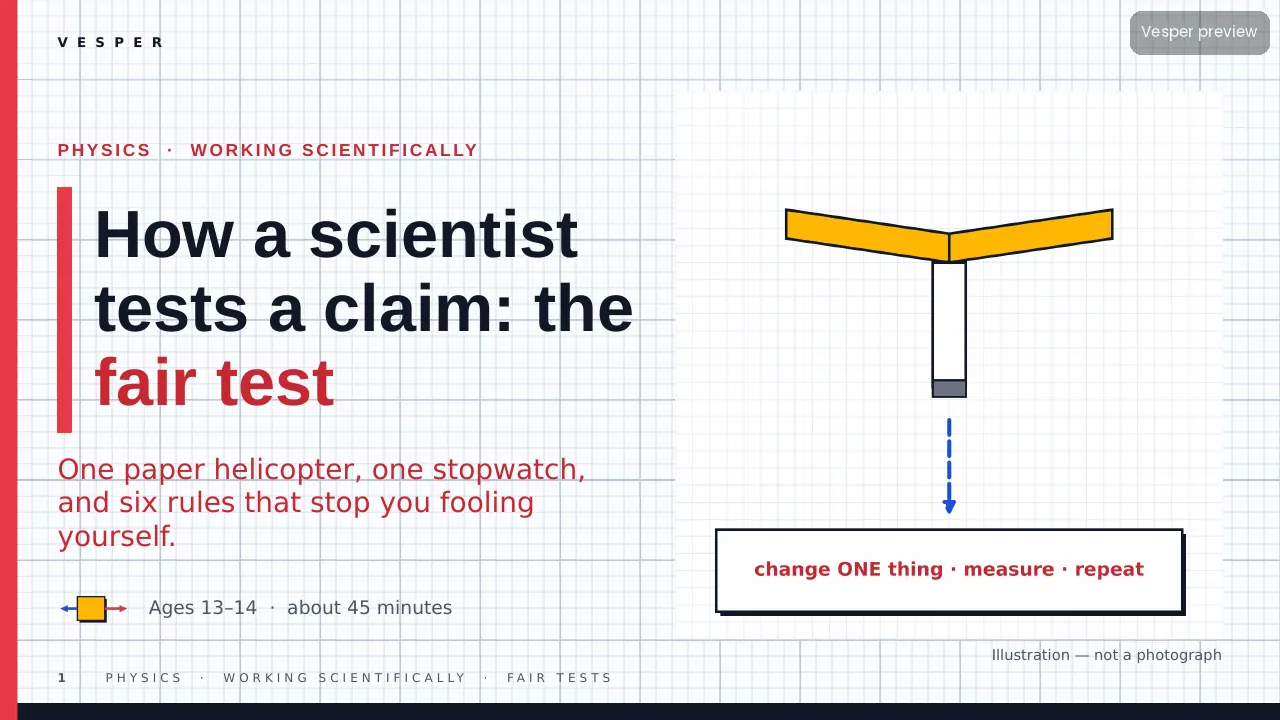
How a scientist tests a claim: the fair test
Pricing coming soon -
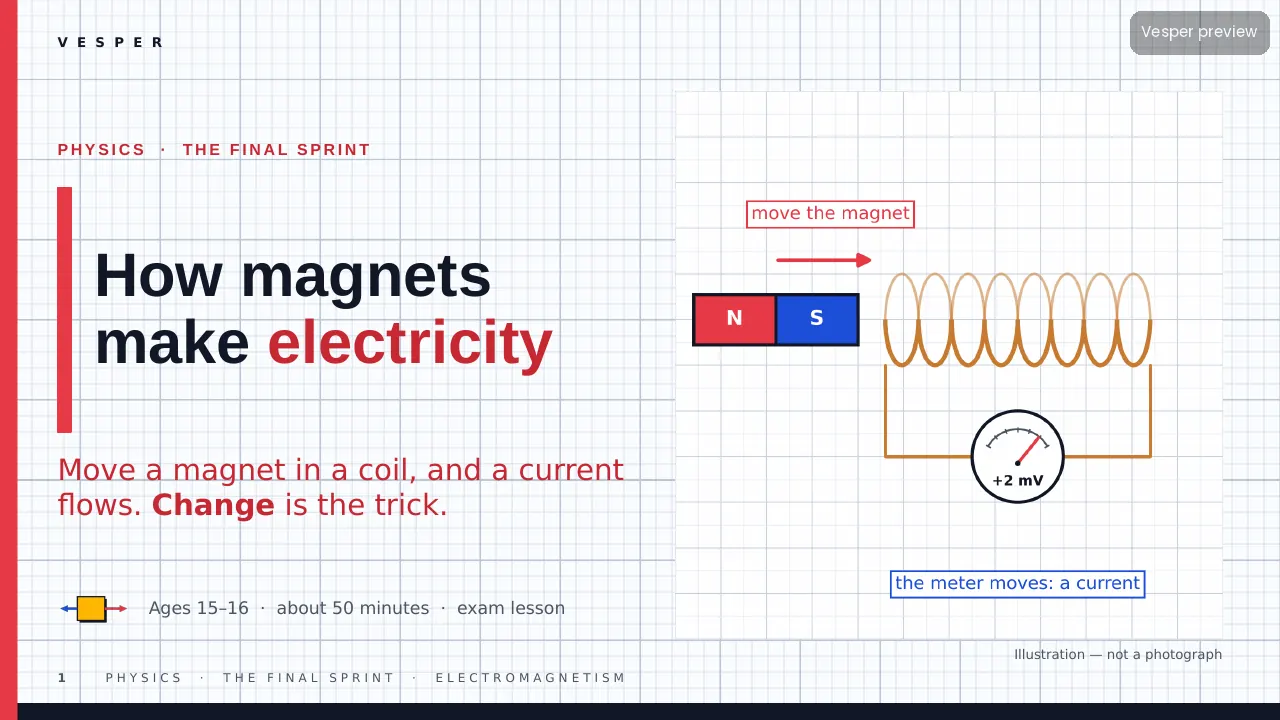
How magnets make electricity
Pricing coming soon -
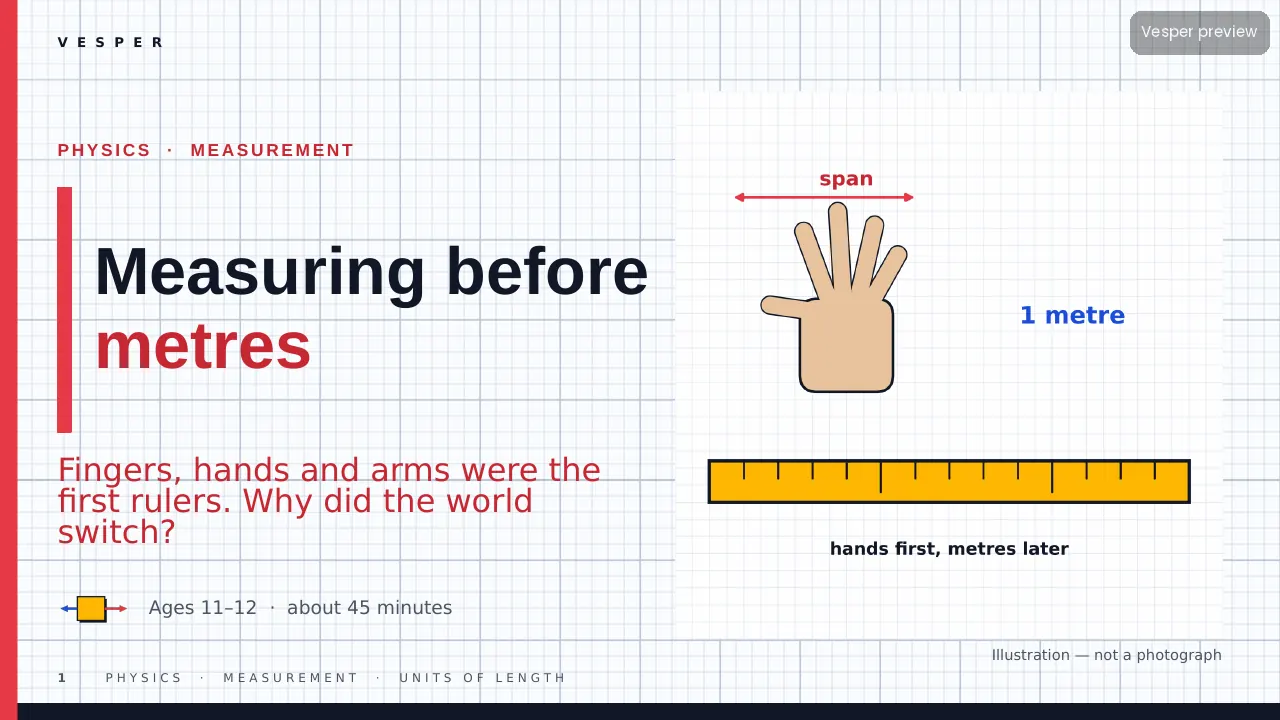
Measuring before metres: old units of length
Pricing coming soon -
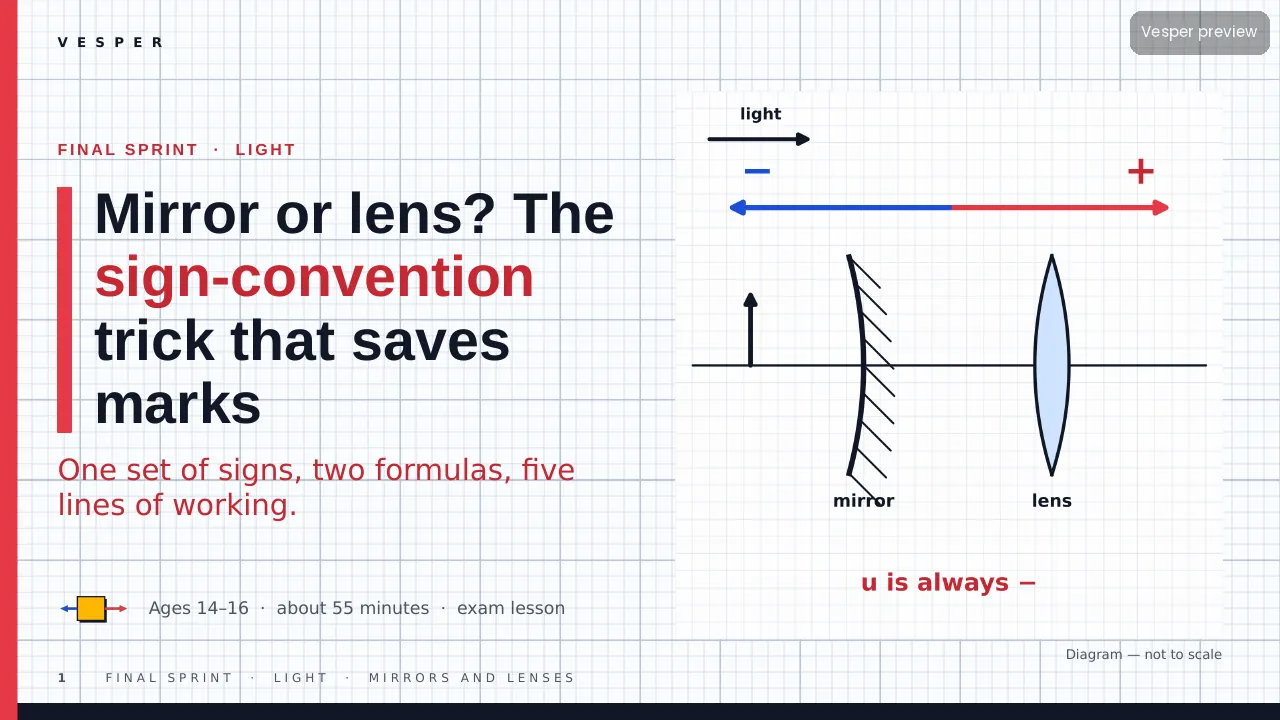
Mirror or lens? The sign-convention trick that saves marks
Pricing coming soon -
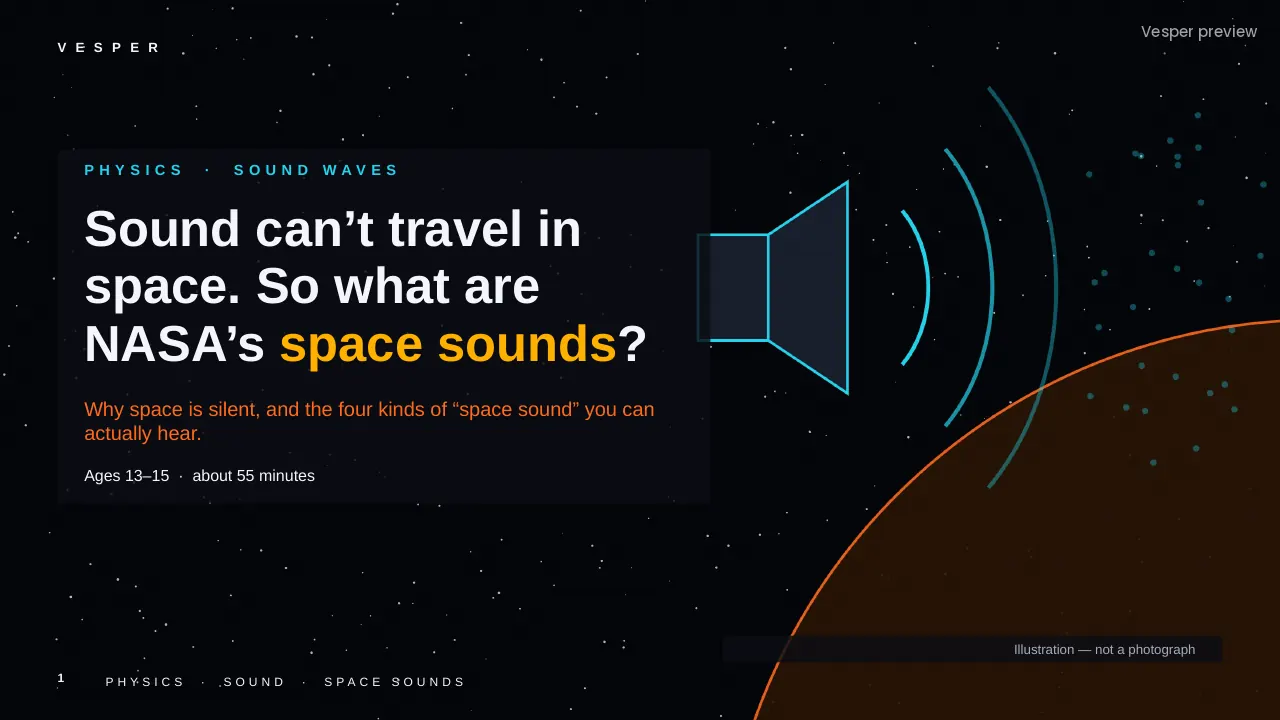
No sound in space: so what are NASA’s space sounds?
Pricing coming soon -
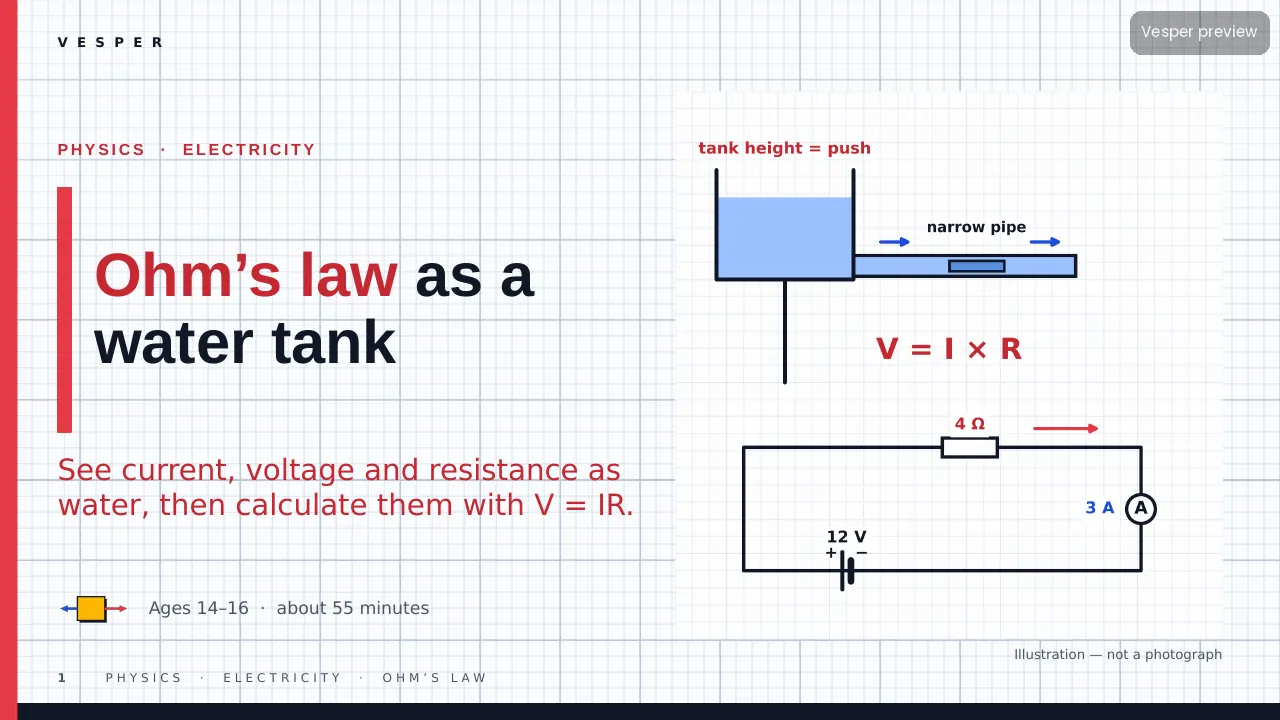
Ohm’s law as a water tank
Pricing coming soon -
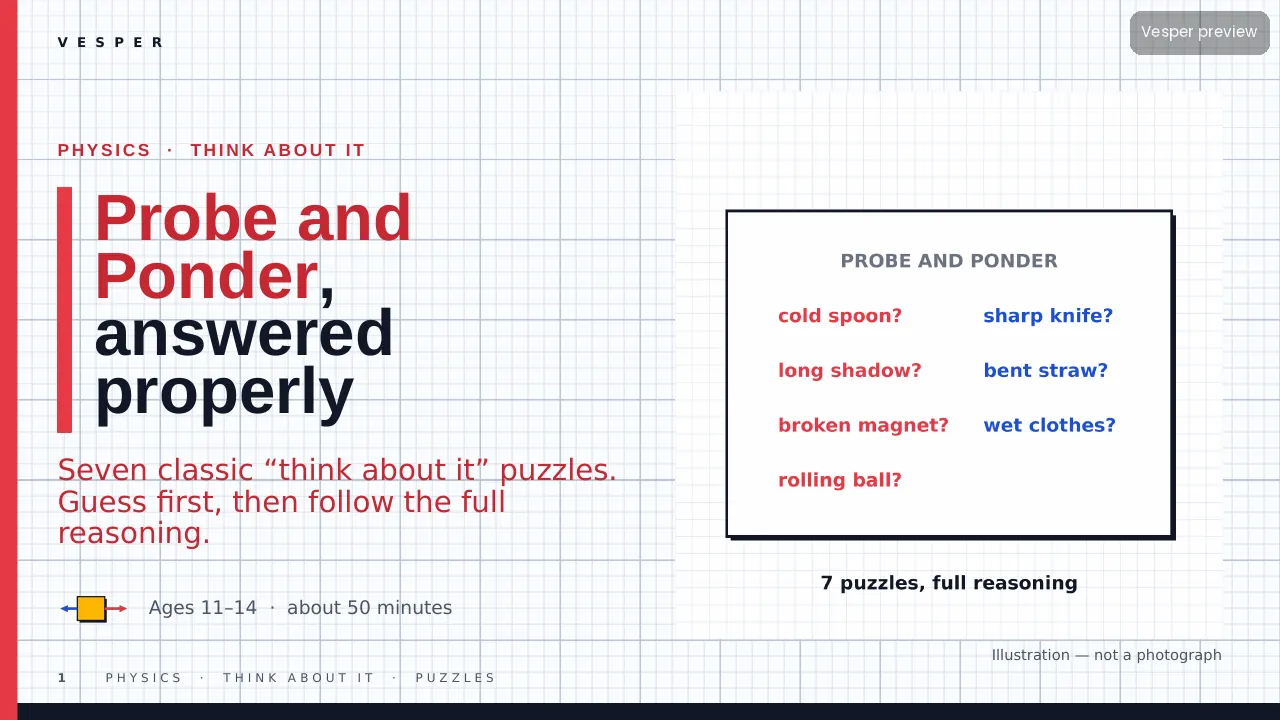
Probe and Ponder, answered properly
Pricing coming soon -
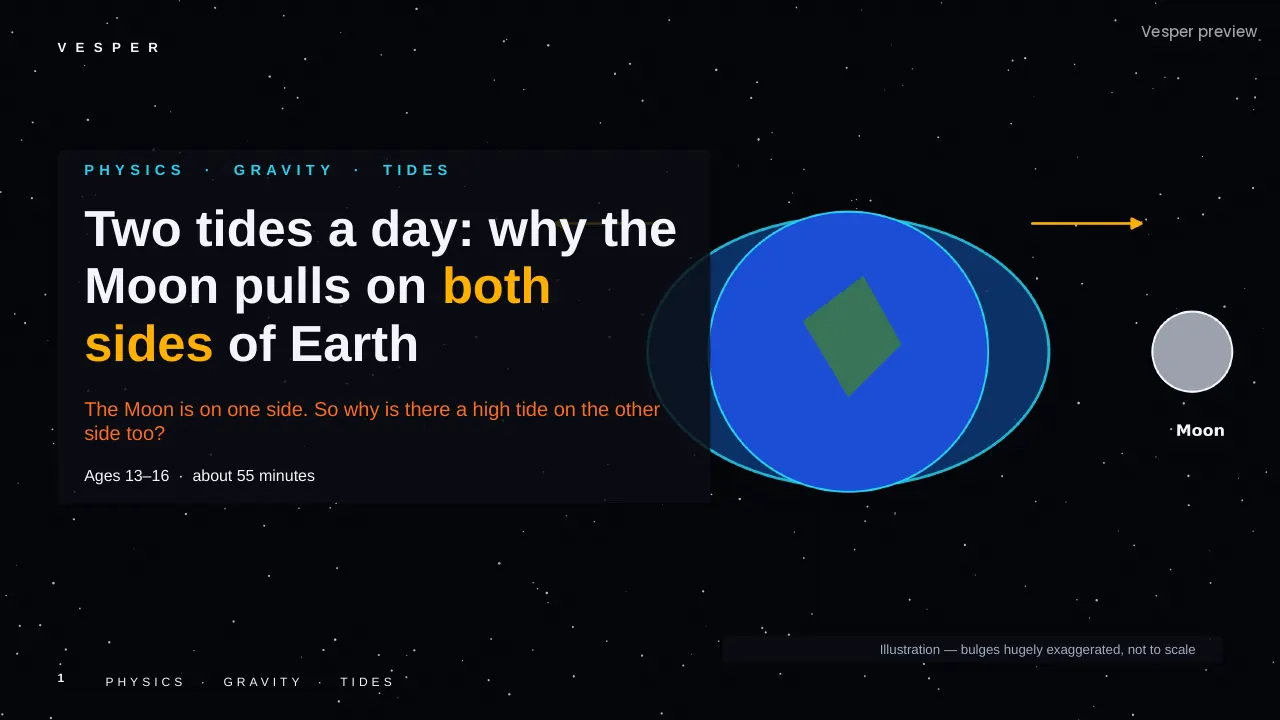
Two tides a day: why the Moon pulls on both sides of Earth
Pricing coming soon -
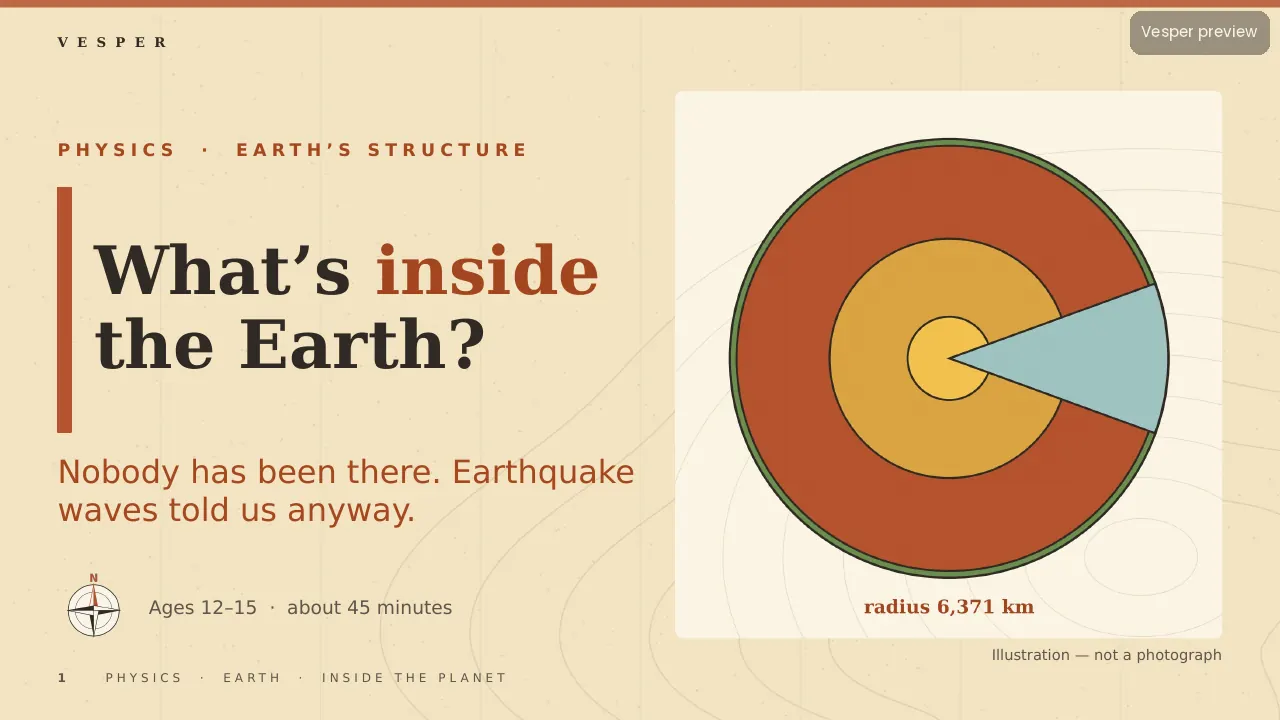
What’s inside the Earth, and how we know
Pricing coming soon -
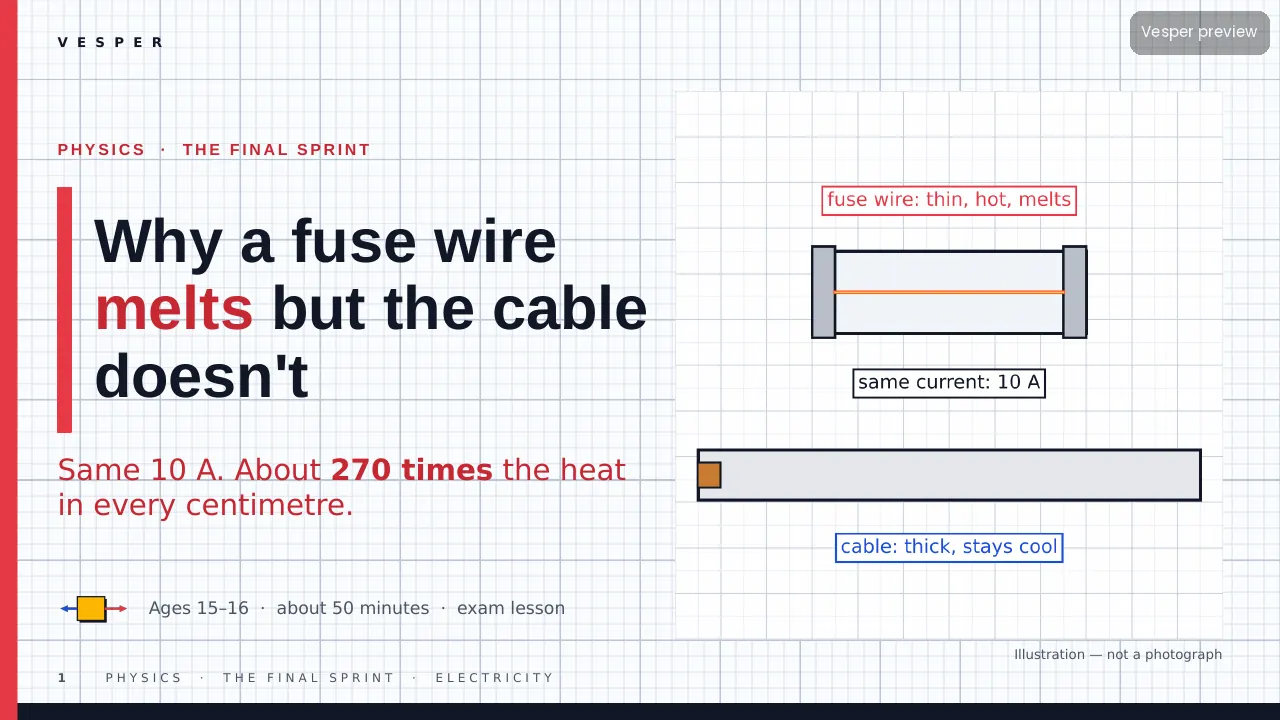
Why a fuse wire melts but the cable doesn’t
Pricing coming soon -
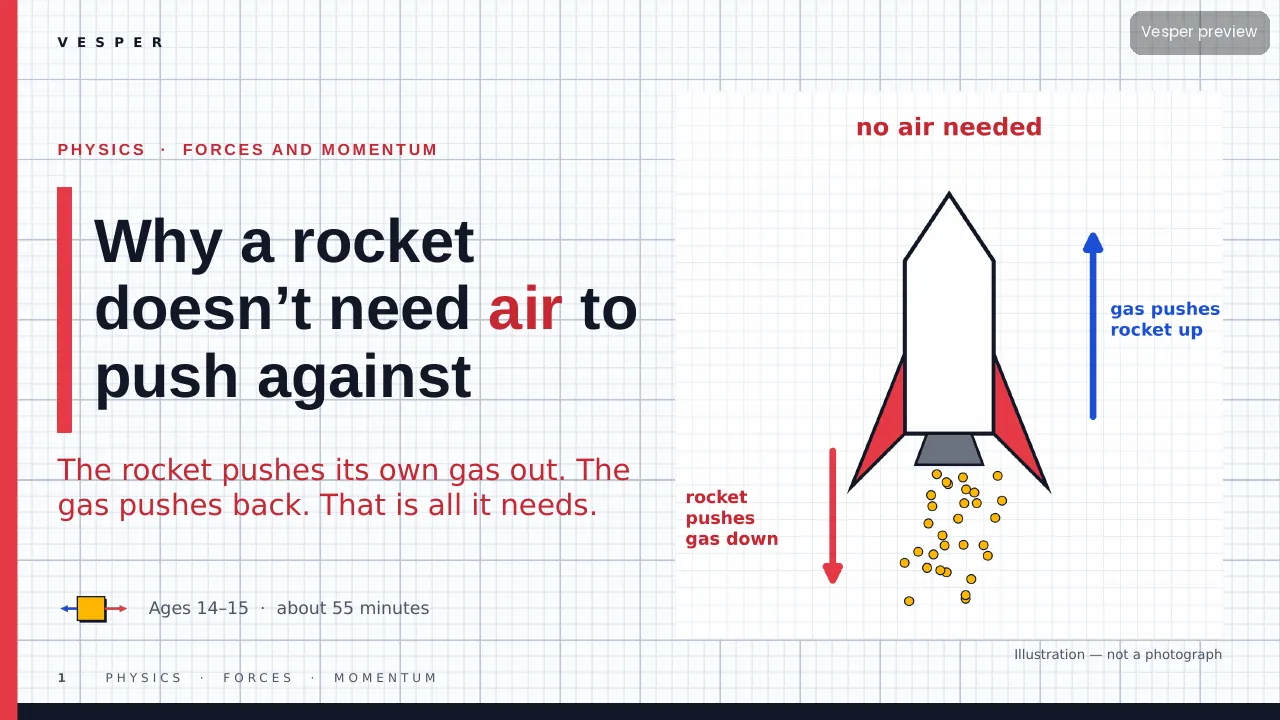
Why a rocket doesn’t need air to push against
Pricing coming soon -
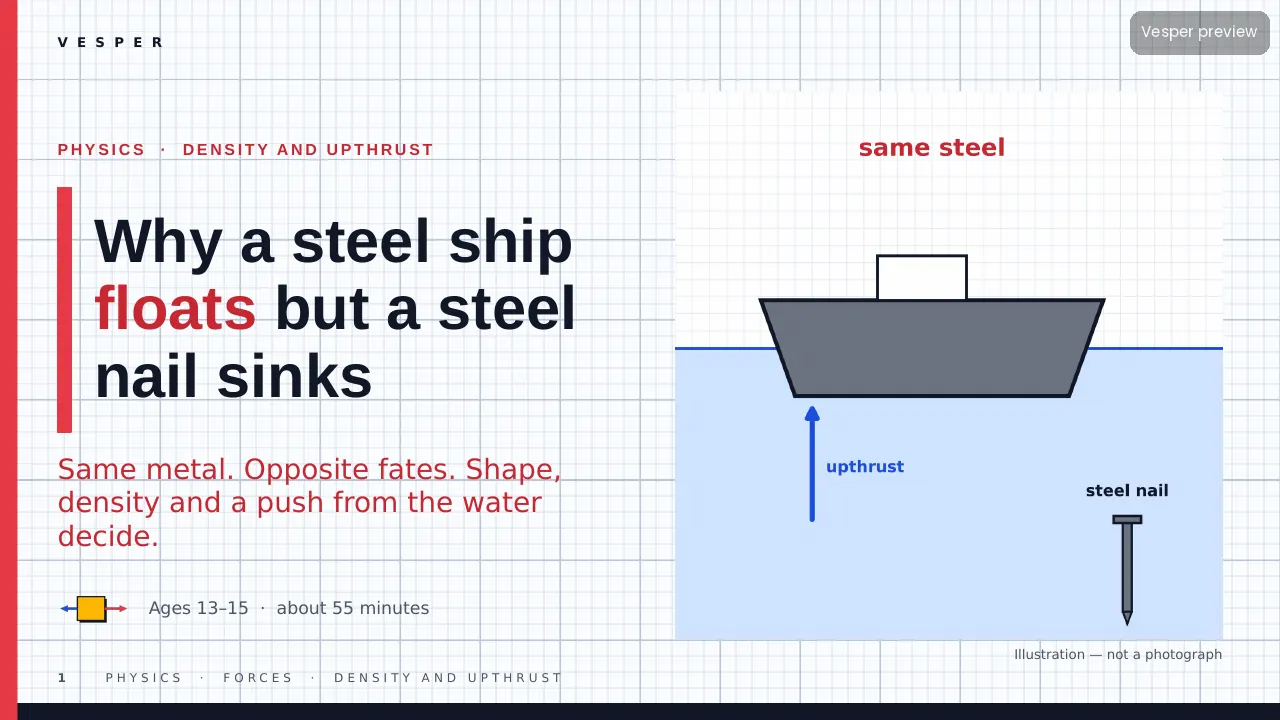
Why a steel ship floats but a steel nail sinks
Pricing coming soon -
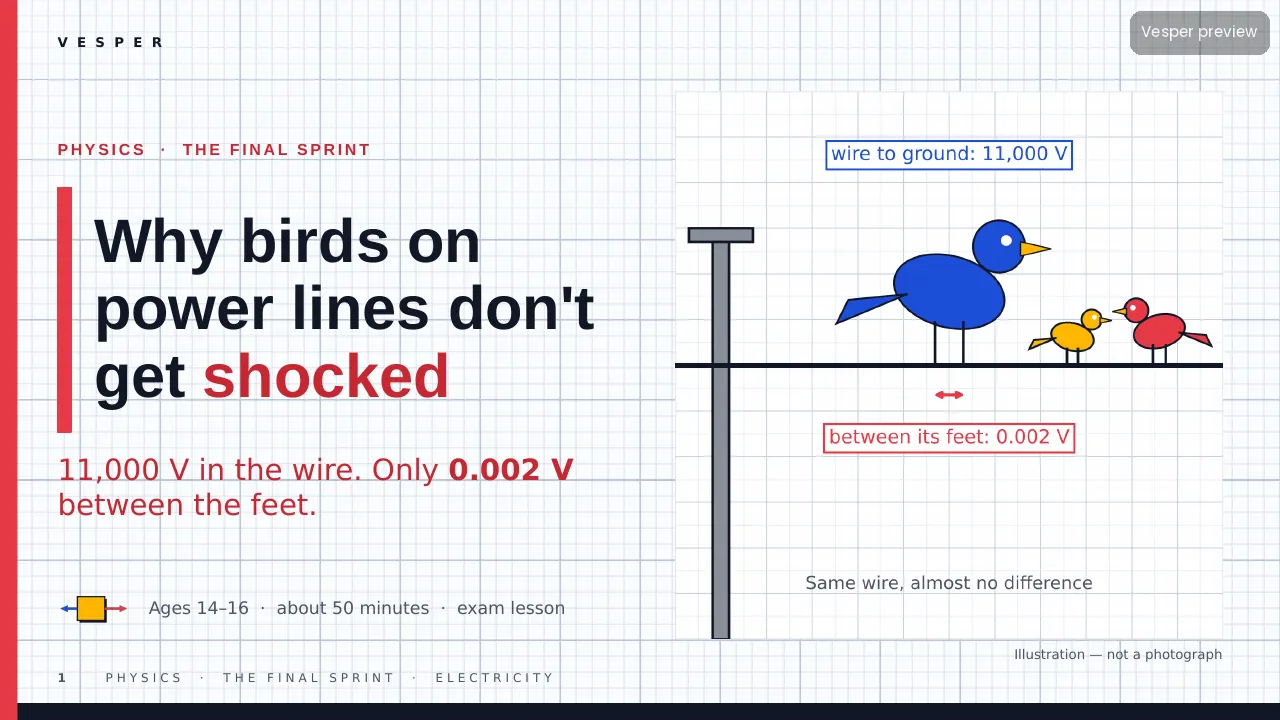
Why birds on power lines don’t get shocked
Pricing coming soon -
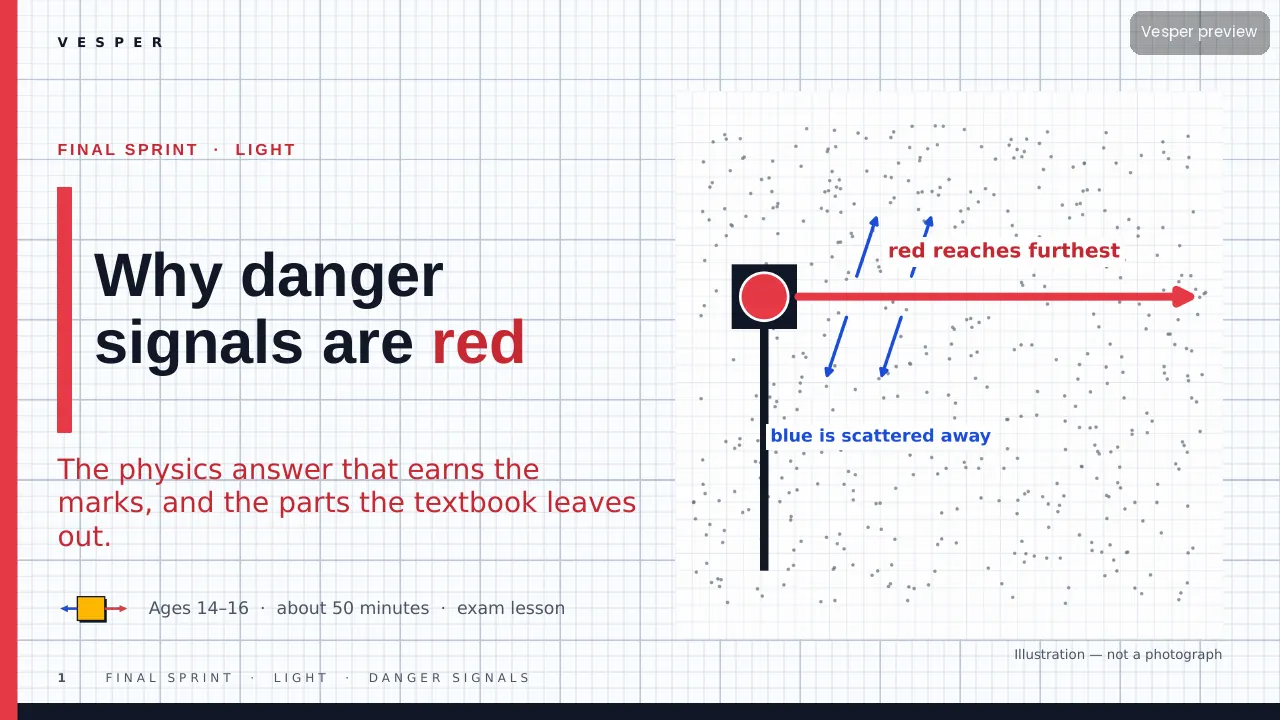
Why danger signals are red
Pricing coming soon -
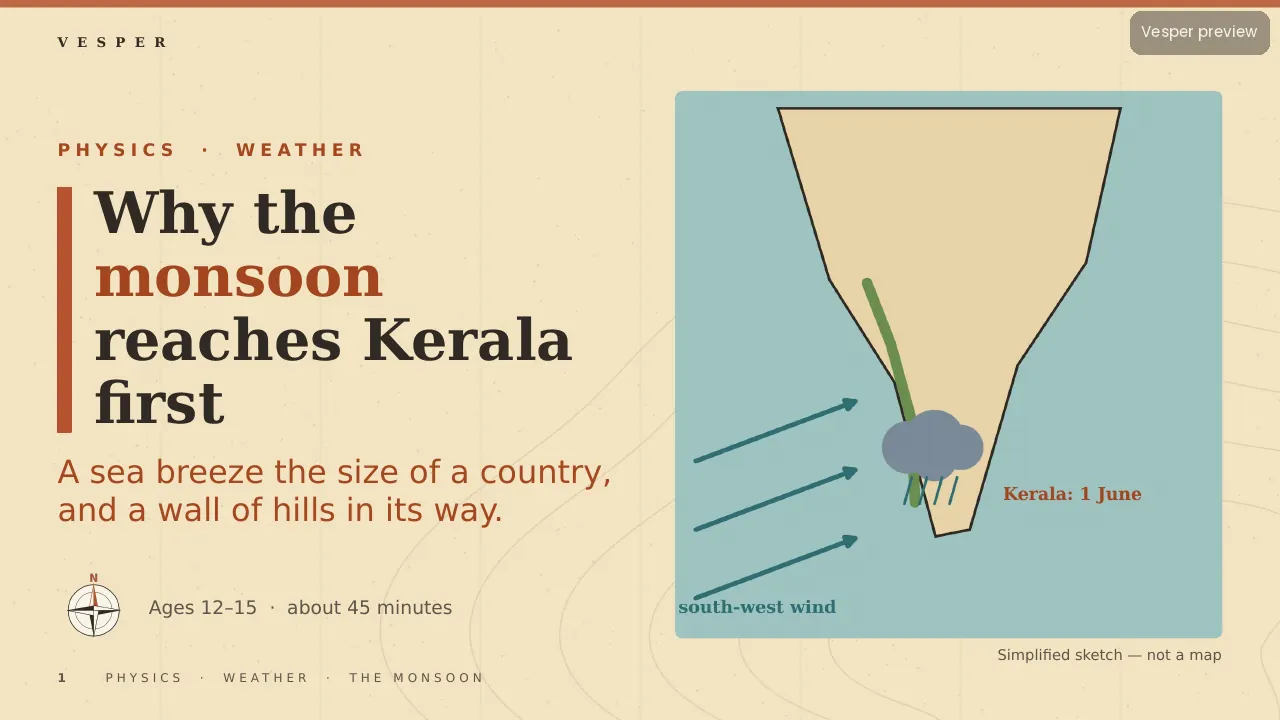
Why the monsoon reaches Kerala first
Pricing coming soon -
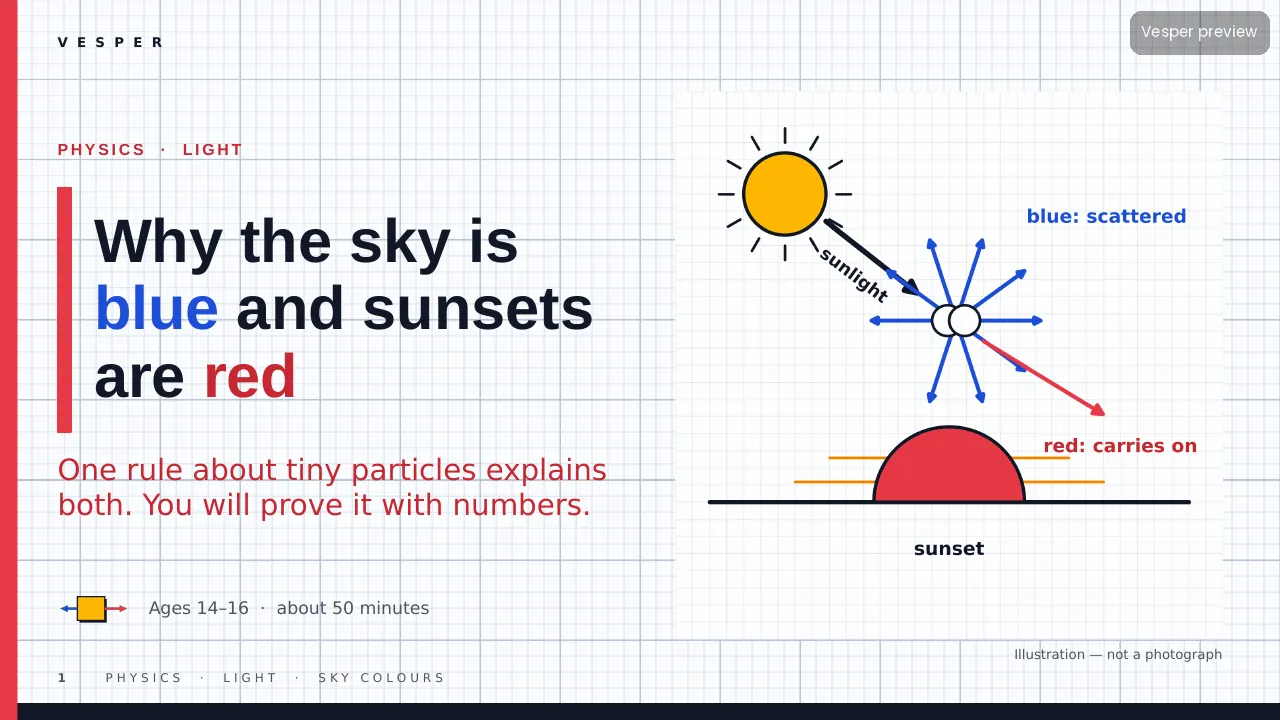
Why the sky is blue and sunsets are red
Pricing coming soon -
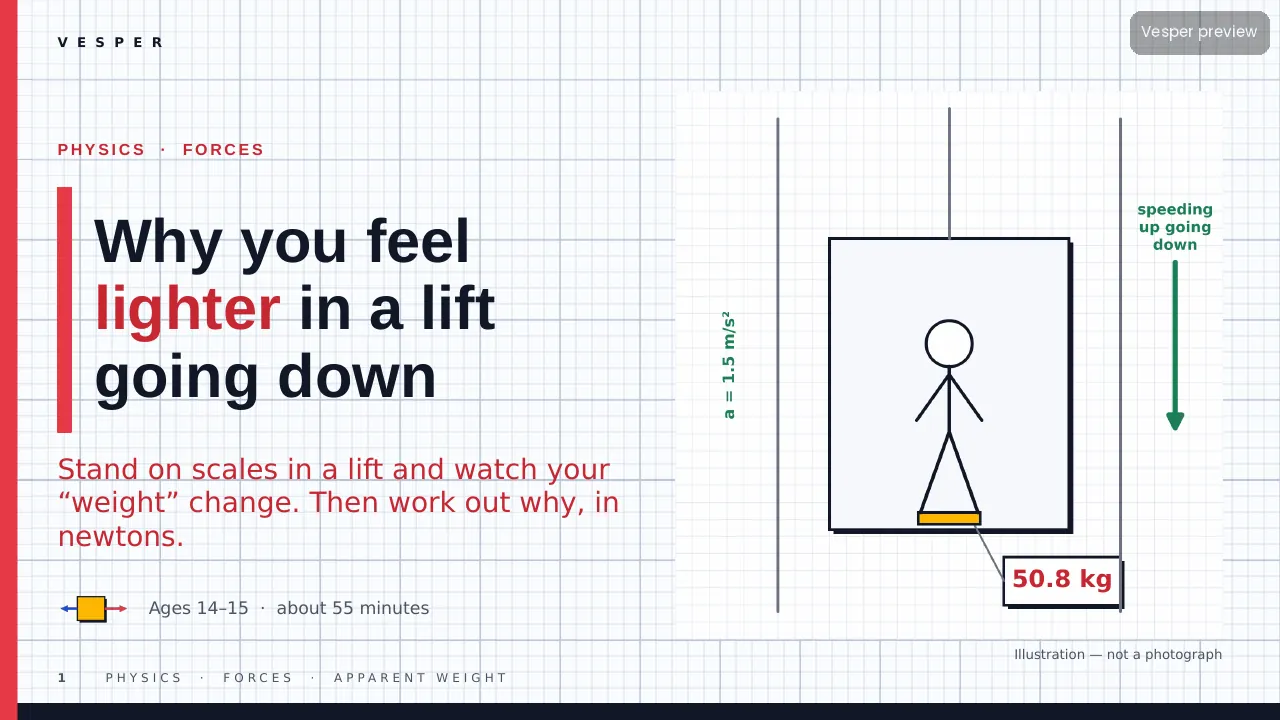
Why you feel lighter in a lift going down
Pricing coming soon
Questions
Questions, answered
What does a physics lesson include?
An editable slide deck with teacher notes on every slide, worked examples, your-turn problems with answers, checkpoints and a quiz with explained answers. Lesson Notes give the same content as a printable PDF.
Do the lessons include practical activities?
Many do, using everyday kit such as straws, water, a torch or a mirror. Each activity is listed on the lesson page and explained in the notes.
Which ages are the physics lessons for?
Ages 11 to 16. Each lesson page shows its own range, from 11–12 for old units of length to 14–16 for Ohm’s law and the sign convention.
Are the physics lessons good for exam revision?
Yes. Several, such as mirrors and lenses, fuses and why birds on power lines stay safe, end with an exam-style question and the common mistakes examiners look for.
Coming soon
0 Physics lessons in production
These are planned and cannot be bought yet. Each one joins the library when it is finished and checked. See every discipline
- Why the sky is blue and sunsets are red Ready now Ages 14–16
- Ohm’s law as a water tank Ready now Ages 14–16
- Why birds on power lines don’t get shocked Ready now Ages 14–16
- The Final Sprint: 15 exam lessons Ready now Ages 12–16
- Why you feel lighter in a lift going down Ready now Ages 14–15
- Why a rocket doesn’t need air to push against Ready now Ages 14–15
- Why a steel ship floats but a steel nail sinks Ready now Ages 13–15
- No sound in space: so what are NASA’s space sounds? Ready now Ages 13–15
- How magnets make electricity Ready now Ages 15–16
- Two tides a day: why the Moon pulls on both sides of Earth Ready now Ages 13–16
- What’s inside the Earth, and how we know Ready now Ages 12–15
- Why the monsoon reaches Kerala first Ready now Ages 12–15
- How a scientist tests a claim: the fair test Ready now Ages 13–14
- Probe and Ponder, answered properly Ready now Ages 11–14
- Measuring before metres: old units of length Ready now Ages 11–12
- Why danger signals are red Ready now Ages 14–16
- Why a fuse wire melts but the cable doesn’t Ready now Ages 15–16
Free lesson
Your first lesson is on us.
Email us and we will send you a complete lesson as a PDF, free. We will not add you to a mailing list unless you ask. Under 16? Ask a parent or guardian to email for you.