
Cosmos
Space is where most children first ask “how do we know that?”, and these lessons answer it properly. Each one starts from a question a student might actually ask: why Venus is hotter than Mercury when it sits further from the Sun, why we only ever see one face of the Moon, or why Pluto lost its planet status in a 2006 vote.
The answers use real measurements from NASA, ESA, ISRO and the observatories that took them, so students work with distances, temperatures and dates rather than vague wonder. Missions get the same treatment: Chandrayaan-3’s final descent, the life-support system Gaganyaan needs 400 km up, and why Artemis tests near Earth before going further.
Every deck is built on the Nova slide template, with teacher notes on each slide, guess-first prompts, your-turn questions with answers and a quiz. Eclipse lessons include the eye-safety rules in full. Ages run from 11 to 16, and curious adults enjoy them too. Choose a lesson below, or read on for common questions.
Showing all 18 results
-
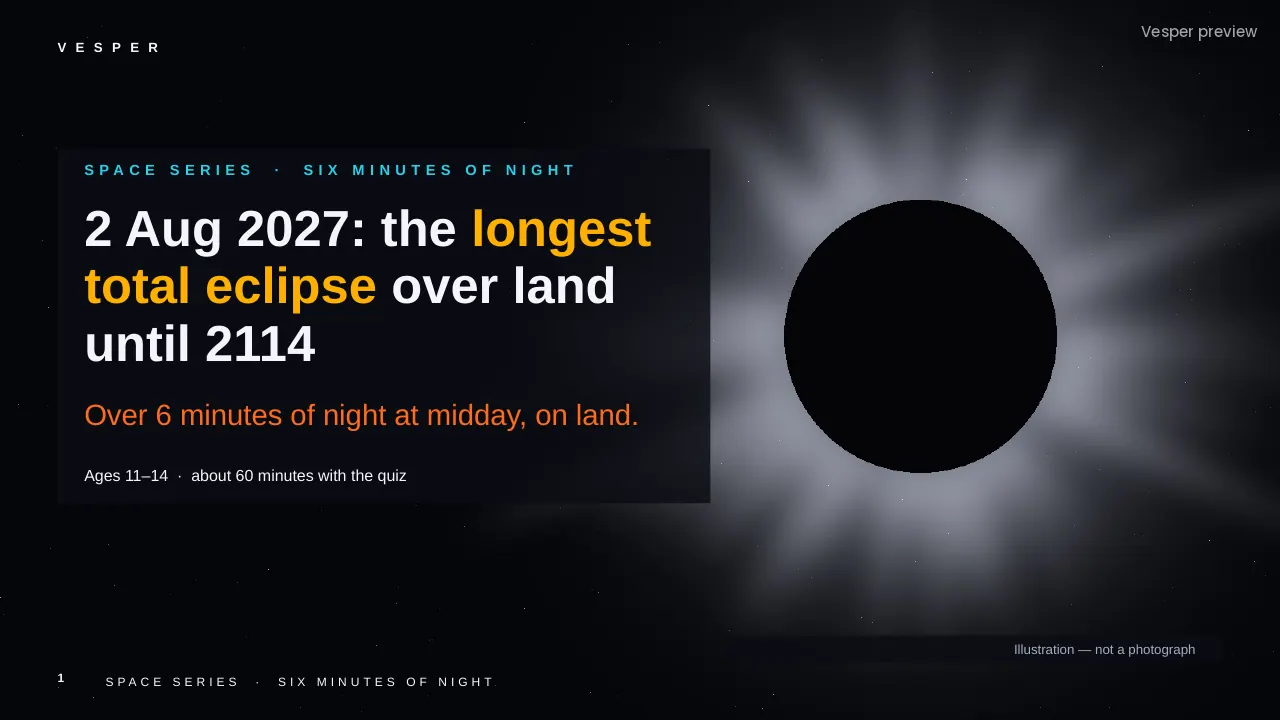
2 Aug 2027: the longest total eclipse over land until 2114
Pricing coming soon -
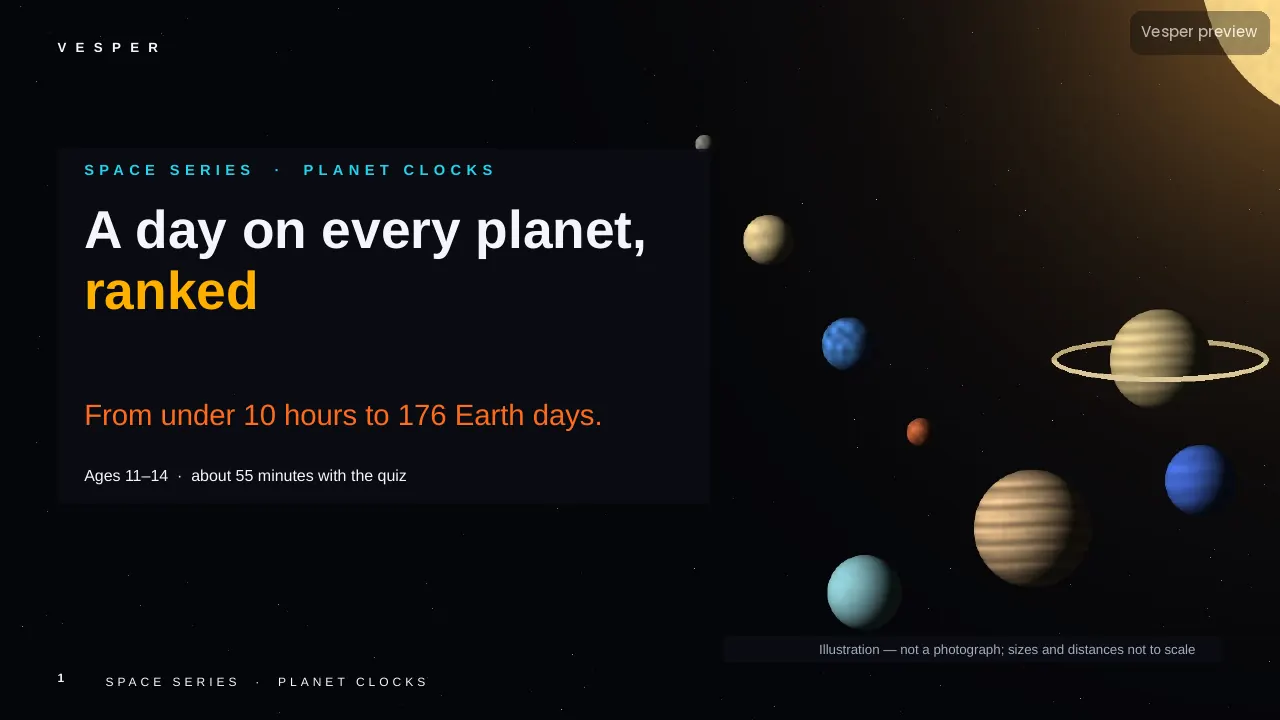
A day on every planet, ranked
Pricing coming soon -
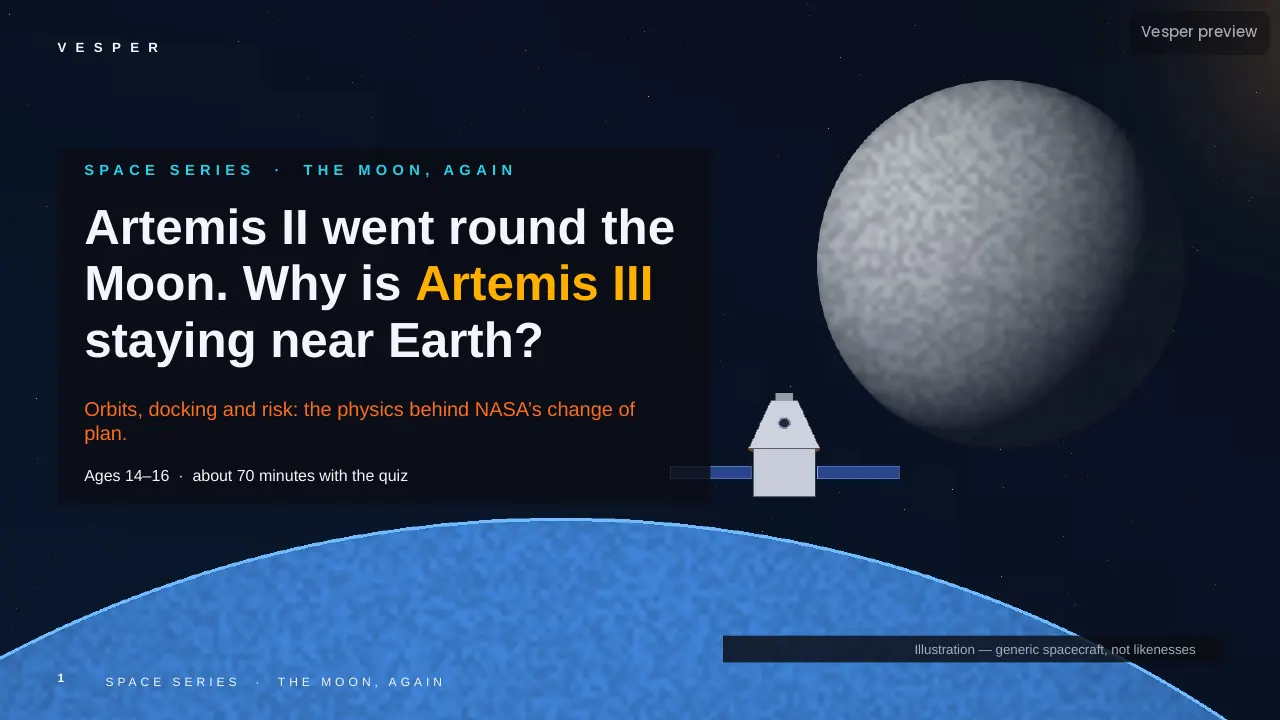
Artemis II to Artemis III: why test near Earth first?
Pricing coming soon -
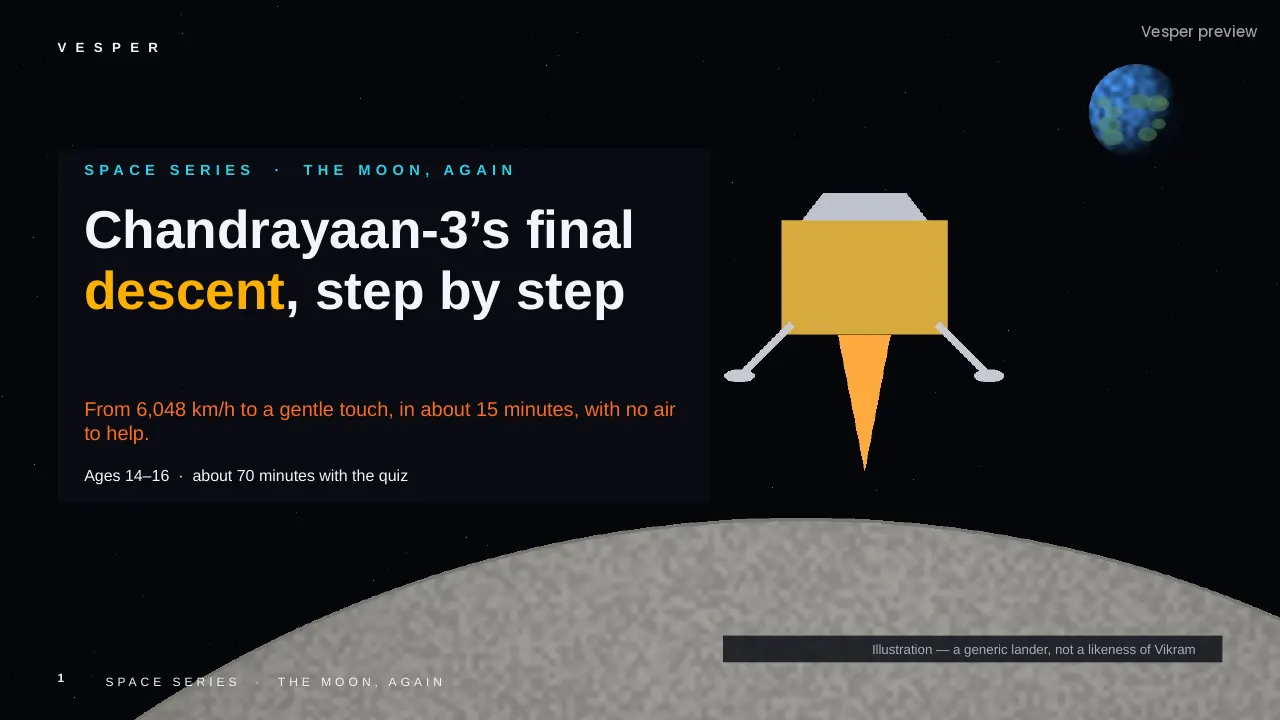
Chandrayaan-3’s landing: motion and forces
Pricing coming soon -
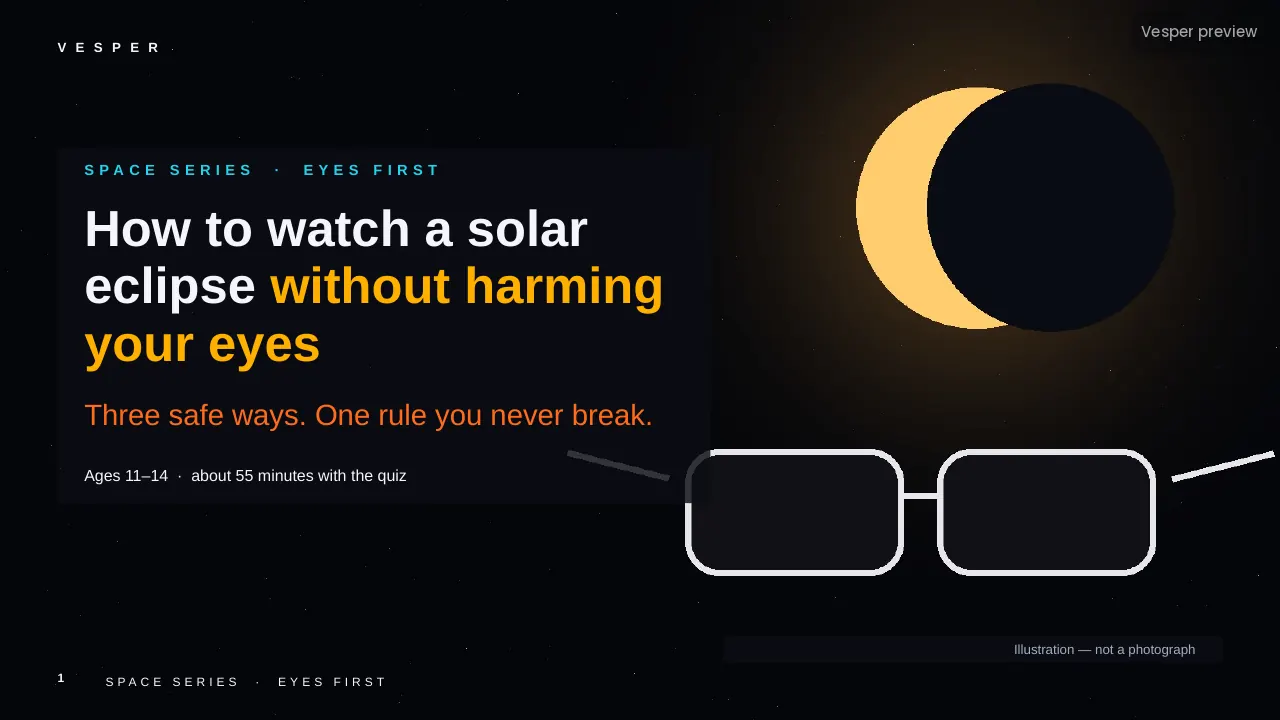
Eclipse eye safety: watch the Sun without harm
Pricing coming soon -
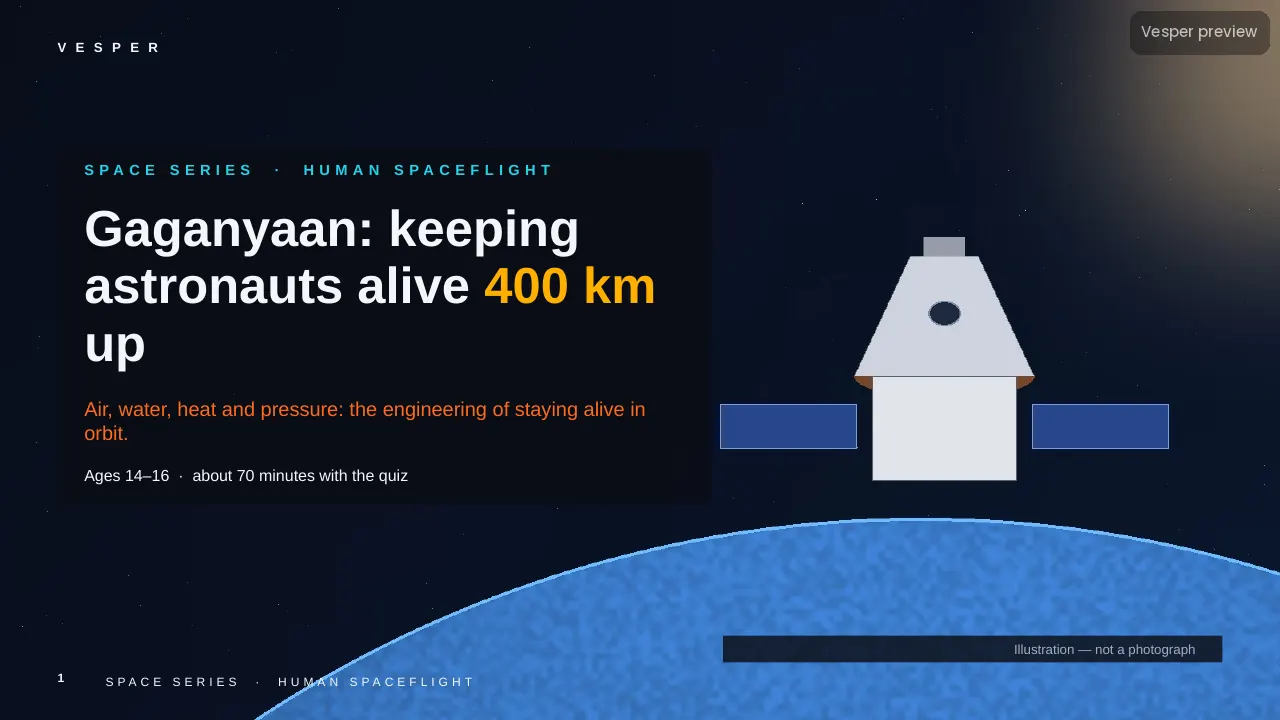
Gaganyaan: keeping astronauts alive 400 km up
Pricing coming soon -
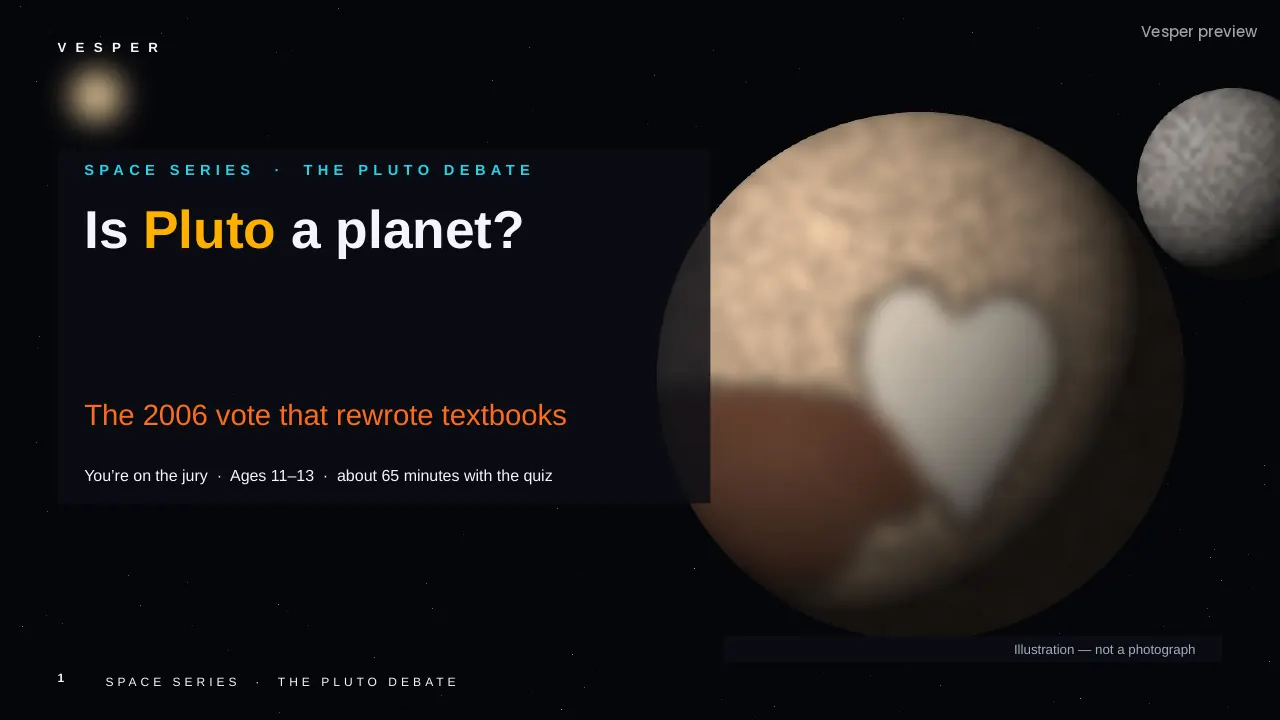
Is Pluto a planet? The 2006 vote
Pricing coming soon -
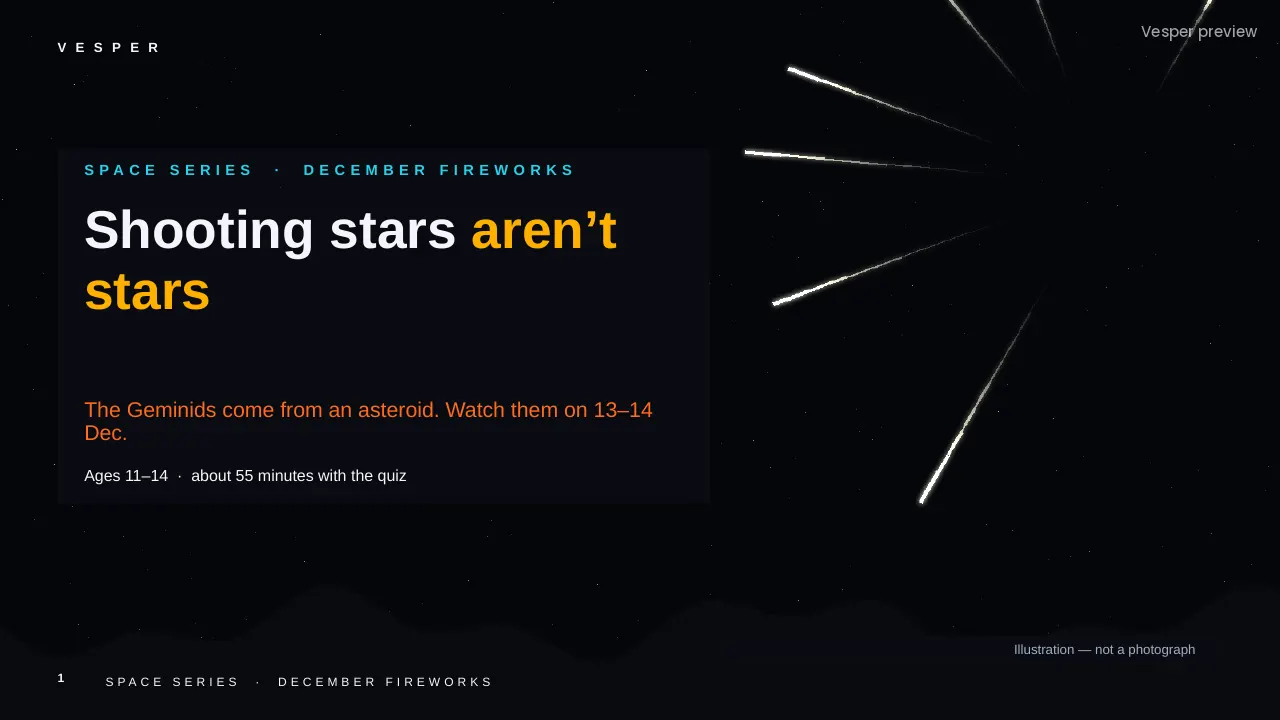
Shooting stars aren’t stars: the Geminids
Pricing coming soon -
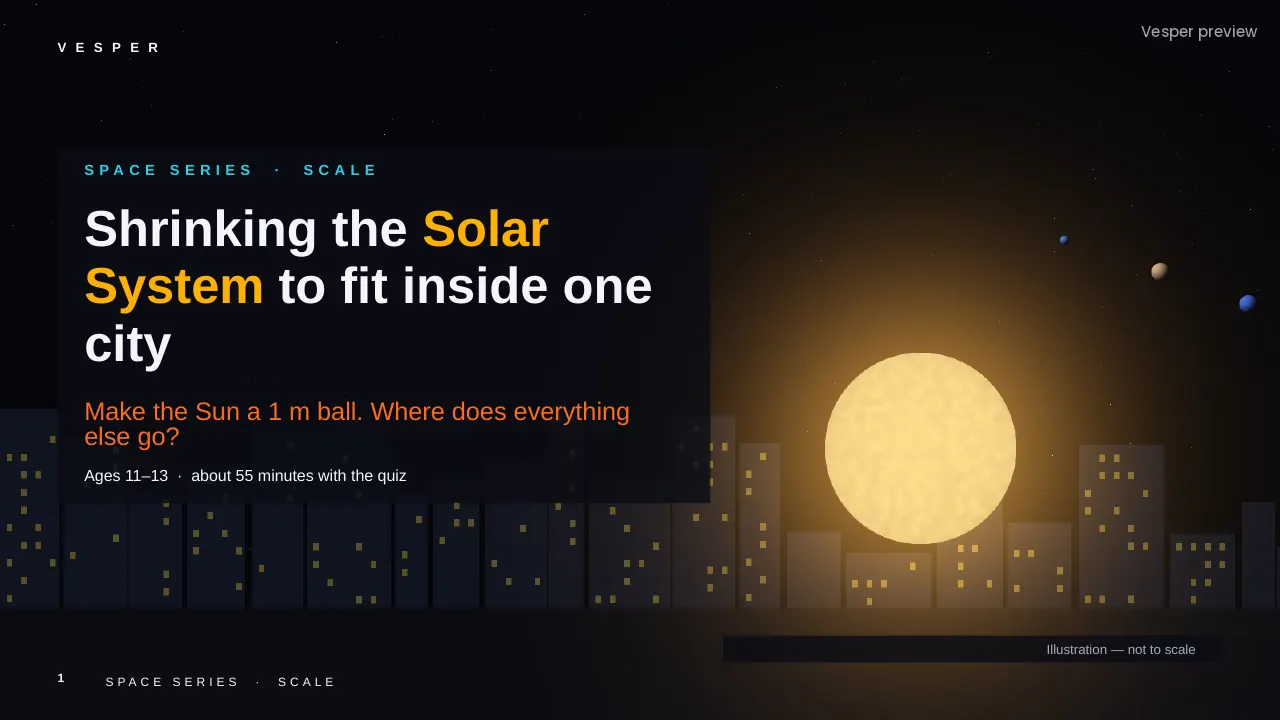
Shrinking the Solar System to fit inside one city
Pricing coming soon -
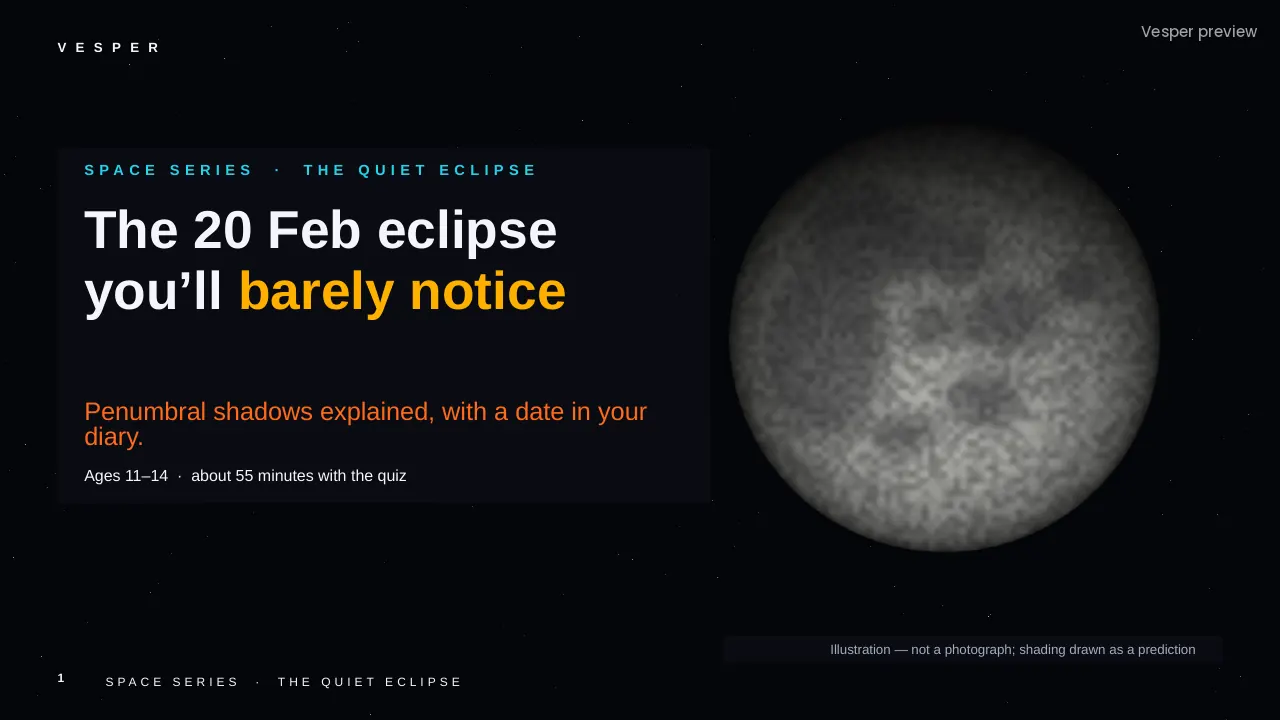
The 20 Feb eclipse you’ll barely notice
Pricing coming soon -
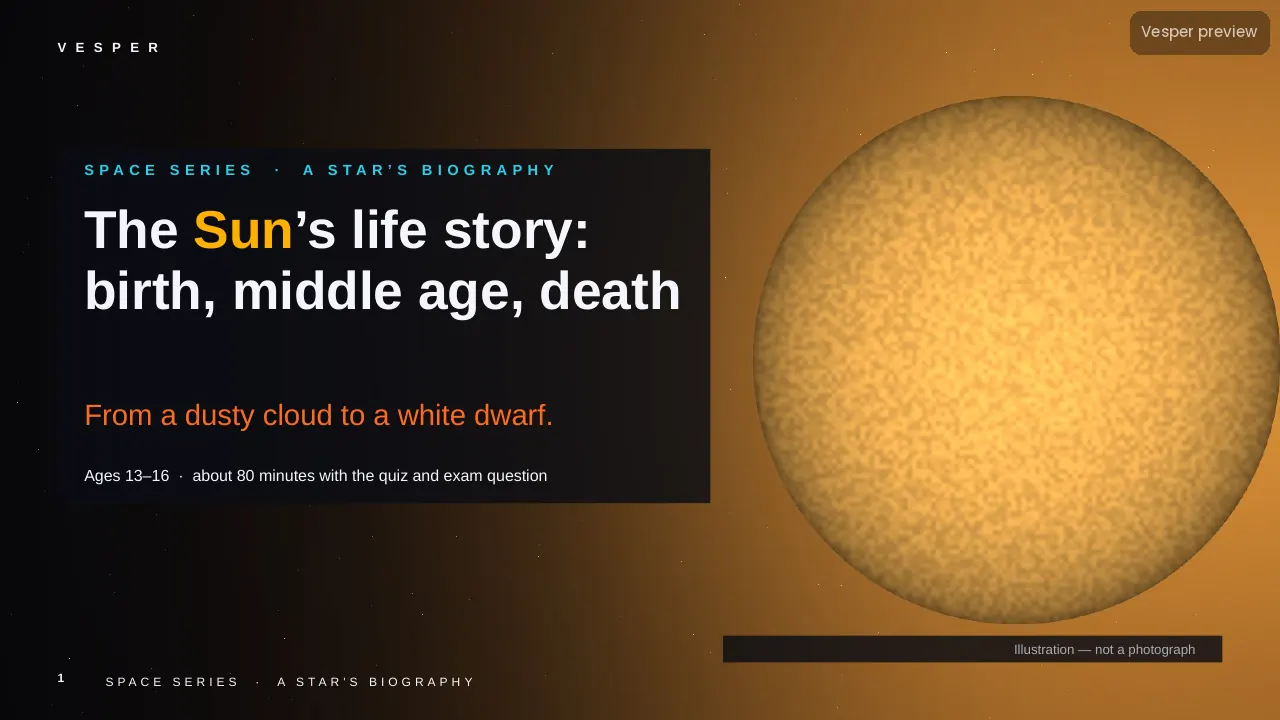
The Sun’s life story: birth, middle age, death
Pricing coming soon -
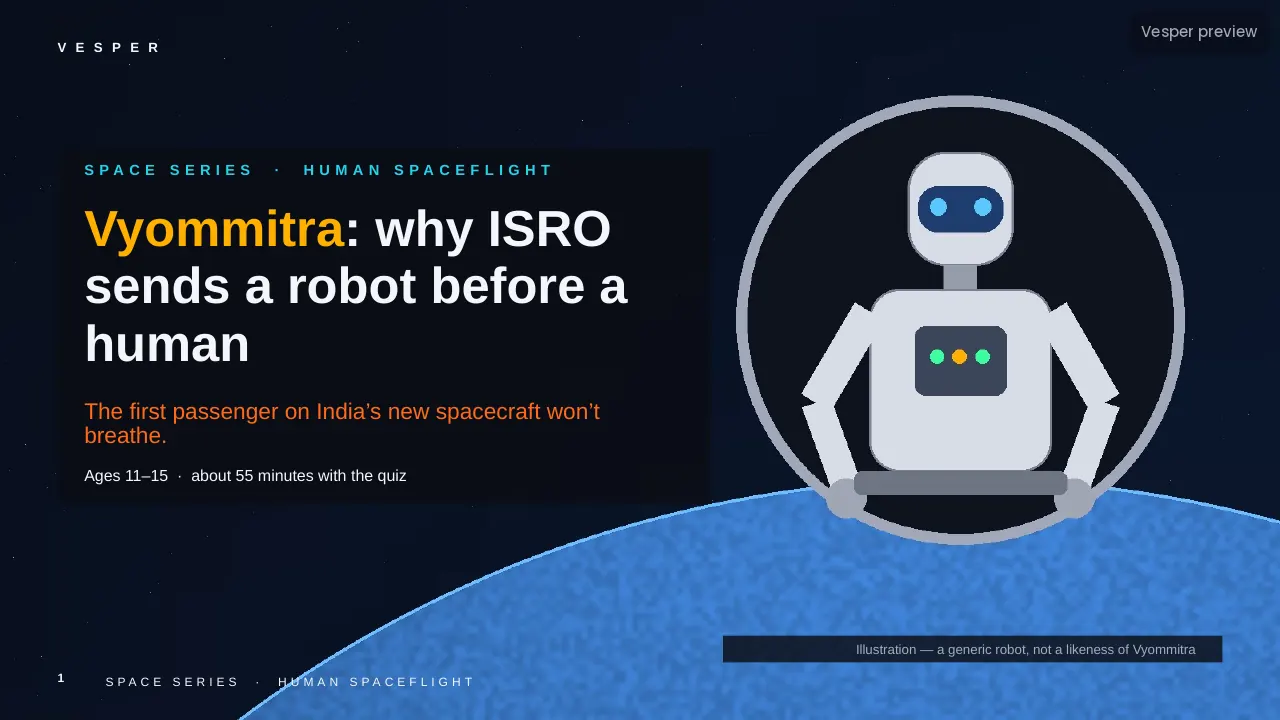
Vyommitra: why ISRO sends a robot before a human
Pricing coming soon -
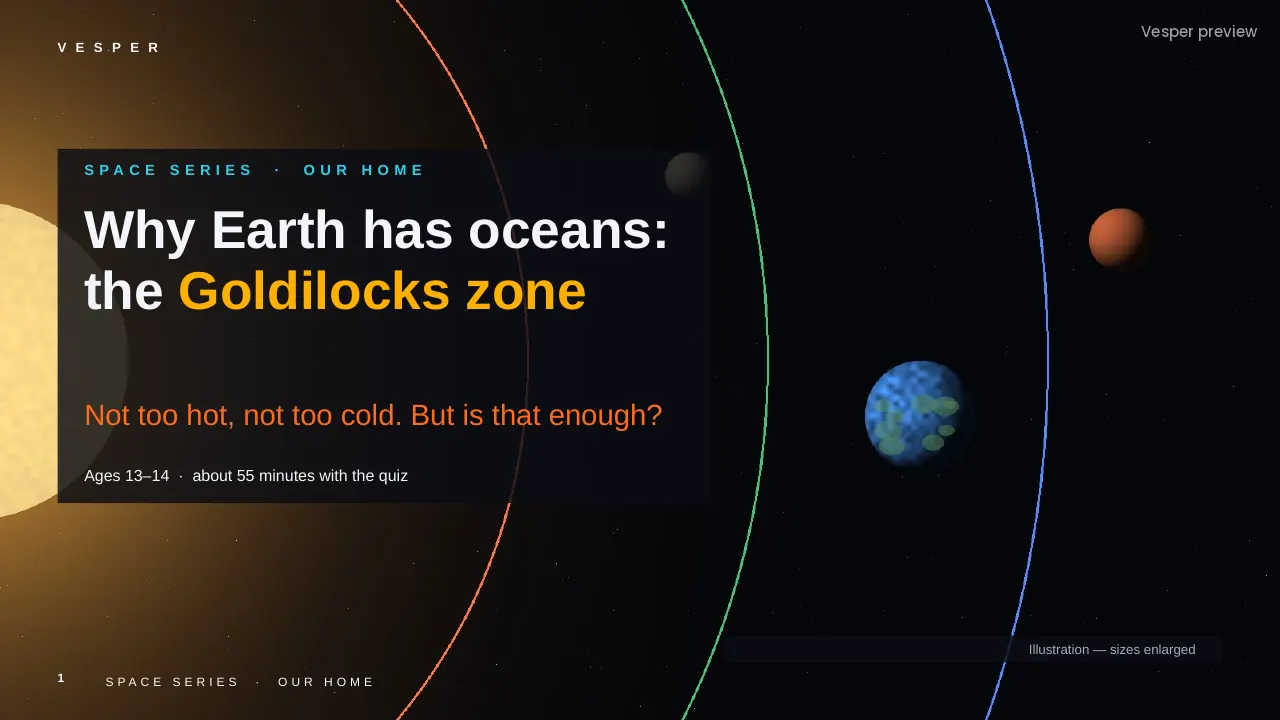
Why Earth has oceans: the Goldilocks zone
Pricing coming soon -
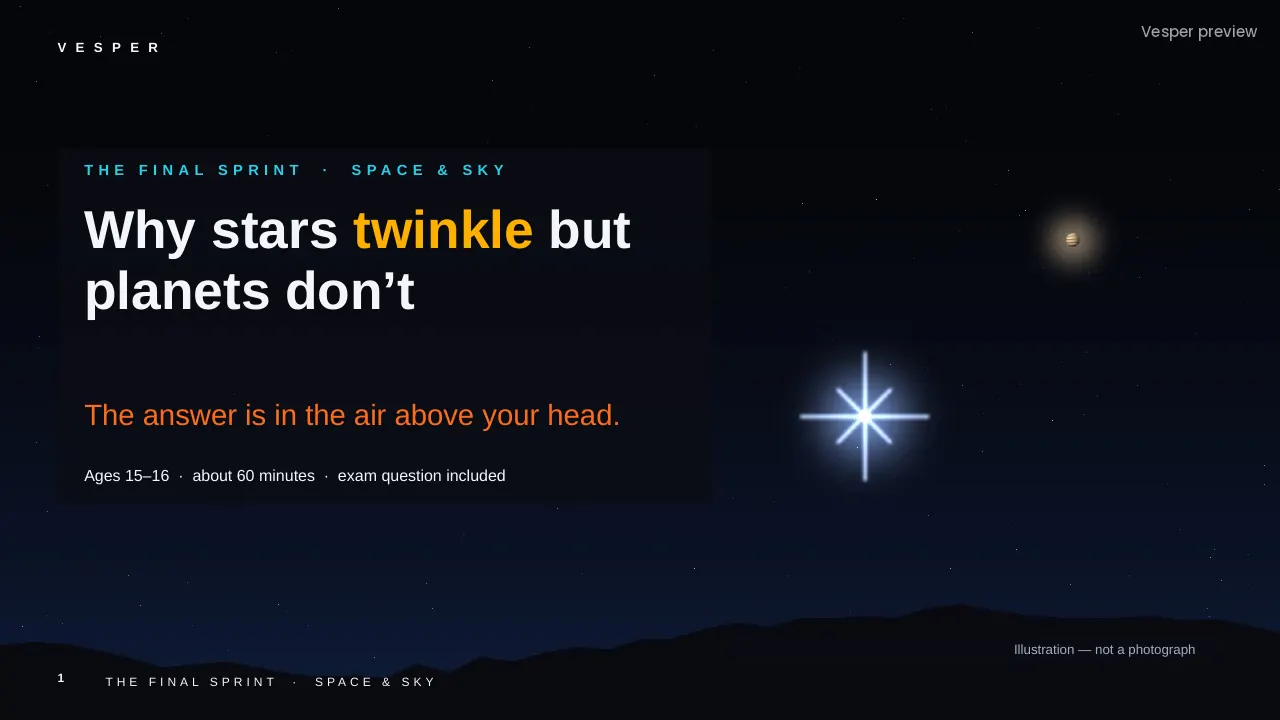
Why stars twinkle but planets don’t
Pricing coming soon -
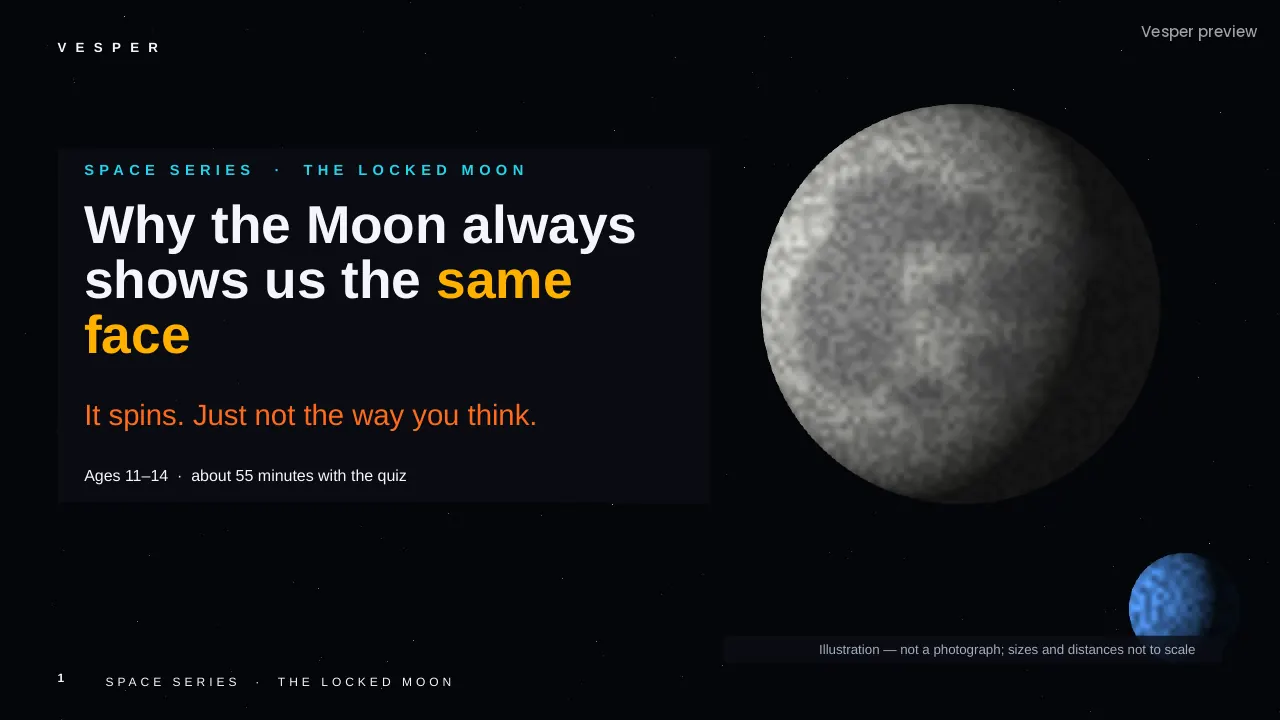
Why the Moon always shows us the same face
Pricing coming soon -
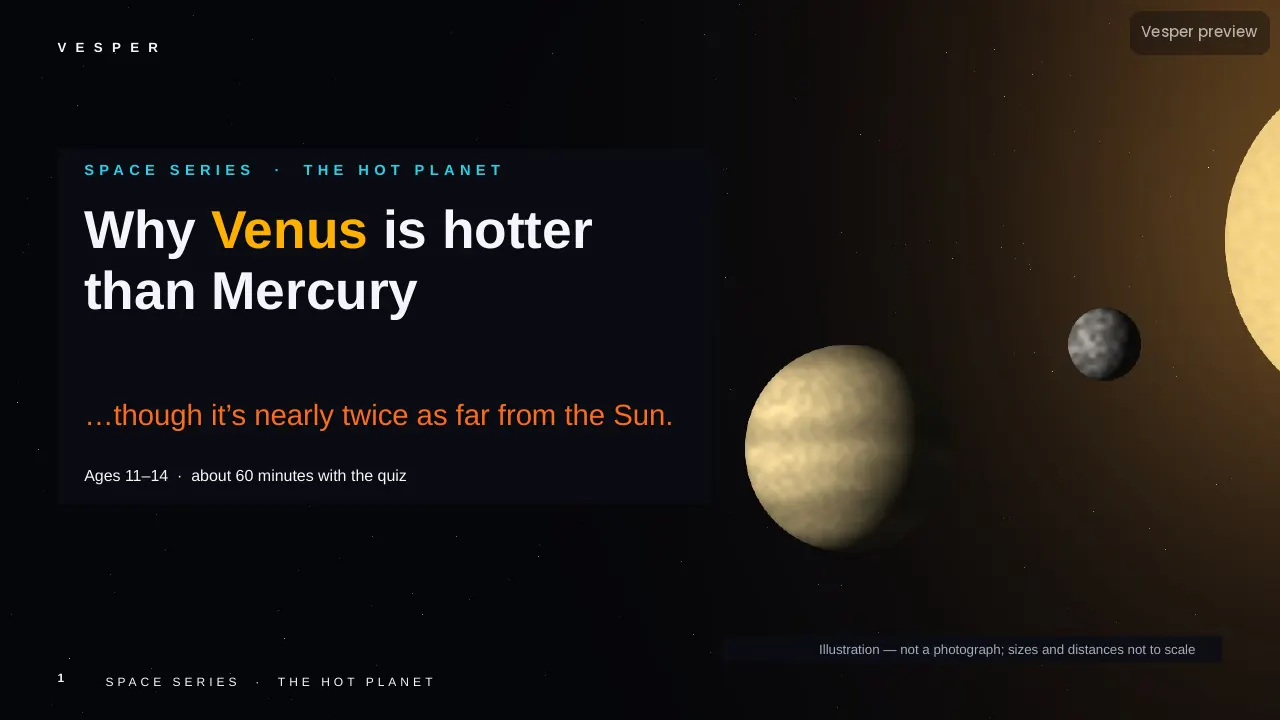
Why Venus is hotter than Mercury
Pricing coming soon -
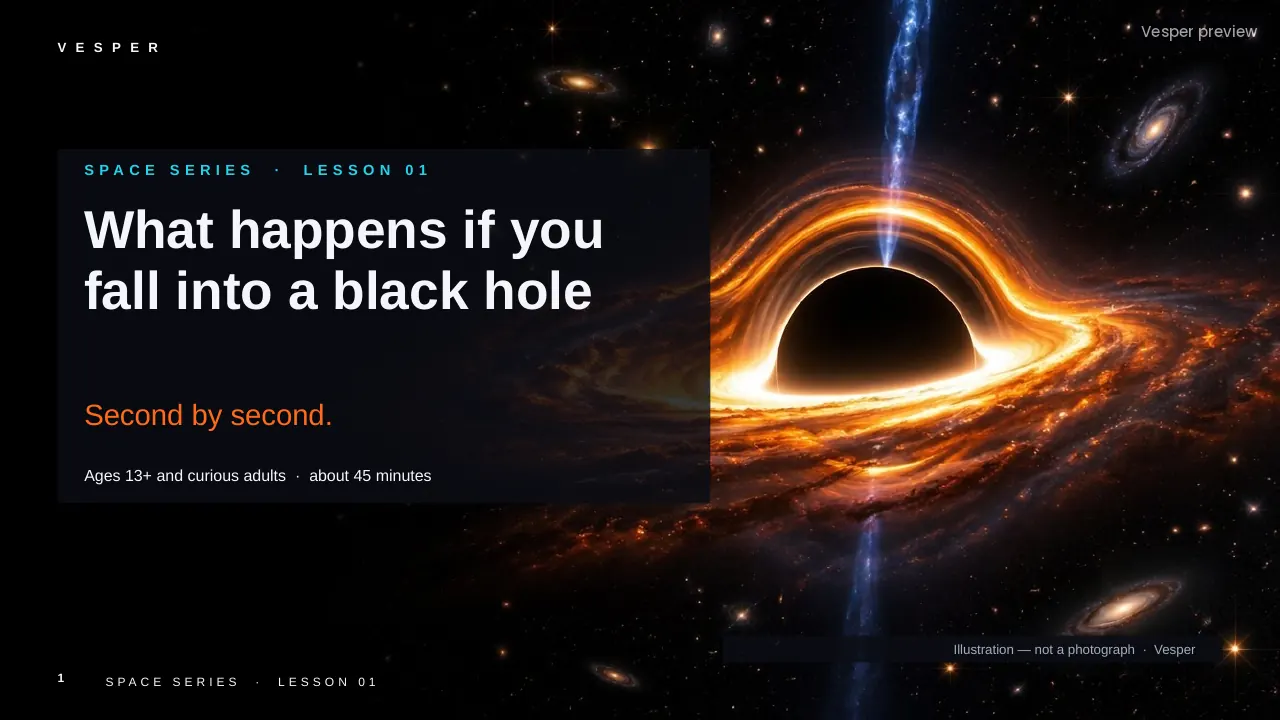
What happens if you fall into a black hole
Pricing coming soon -
Exploring the Universe: a printable space booklet
Pricing coming soon
Questions
Questions, answered
Which ages are the space lessons for?
Eleven of the 18 start at age 11. Seven, such as the black hole lesson, the Sun’s life story and why stars twinkle, are for ages 13 and up. Each page gives its range.
Where do the facts and figures come from?
From the agencies and scientists who measured them: NASA, ESA, ISRO, observatories and peer-reviewed papers. The main sources are listed on every lesson page and in full at the end of each deck.
Can I teach a space lesson without a telescope?
Yes. Every lesson works in a classroom with a screen. Where a sky activity helps, such as watching an eclipse, the deck explains the safe way to do it.
Are the space lessons editable?
Yes. The Teacher Deck is an editable PowerPoint built on the Nova template, so you can change slides or add your own with the named layouts.
Coming soon
0 Cosmos lessons in production
These are planned and cannot be bought yet. Each one joins the library when it is finished and checked. See every discipline
- What happens if you fall into a black hole Ready now Ages 13+
- Why Venus is hotter than Mercury Ready now Ages 11–14
- A day on every planet, ranked Ready now Ages 11–14
- Why the Moon always shows us the same face Ready now Ages 11–14
- The 20 Feb eclipse you’ll barely notice Ready now Ages 11–14
- 2 Aug 2027: the longest total eclipse over land until 2114 Ready now Ages 11–14
- Eclipse eye safety: watch the Sun without harm Ready now Ages 11–14
- Shooting stars aren’t stars: the Geminids Ready now Ages 11–14
- Gaganyaan: keeping astronauts alive 400 km up Ready now Ages 14–16
- Vyommitra: why ISRO sends a robot before a human Ready now Ages 11–15
- Artemis II to Artemis III: why test near Earth first? Ready now Ages 14–16
- Chandrayaan-3’s landing: motion and forces Ready now Ages 14–16
- Shrinking the Solar System to fit inside one city Ready now Ages 11–13
- Why stars twinkle but planets don’t Ready now Ages 15–16
- The Sun’s life story: birth, middle age, death Ready now Ages 13–16
- Is Pluto a planet? The 2006 vote Ready now Ages 11–13
- Why Earth has oceans: the Goldilocks zone Ready now Ages 13–14
Free lesson
Your first lesson is on us.
Email us and we will send you a complete lesson as a PDF, free. We will not add you to a mailing list unless you ask. Under 16? Ask a parent or guardian to email for you.