Collections Ages 12–16

The Final Sprint: 15 exam lessons

Fifteen topics where marks are won and lost, each ending with a marked exam question.

Fifteen editable exam lessons in physics, chemistry, biology and English grammar. Each one ends with an exam-style question and a mark scheme showing where the marks go.

The short answer

The Final Sprint is a collection of 15 exam lessons for ages 12–16: six in physics, three in chemistry, three in biology and three in English grammar. Each is an editable PowerPoint with worked examples, your-turn questions, checkpoints and a quiz, and each ends with an exam-style question and a mark scheme.

Inside

lessons
15
minutes
820
Pricing coming soon

Pricing coming soon

We’ll email you pricing and launch offers shortly.

  • Finished and checked: buying opens soon
  • Sources listed at the end
  • Curriculum links under ‘Curriculum & specs’
  • For one classroom. Campus licences for whole schools

Key facts

  • 15 lessons: 6 physics, 3 chemistry, 3 biology, 3 English
  • About 820 minutes of teaching in all, by the time on each lesson cover
  • Every lesson ends with an exam-style question and a mark scheme
  • Speaker notes on every slide
  • Editable PowerPoint with named layouts

What students will be able to do

  • Students can answer exam-style questions in physics, chemistry, biology and English grammar
  • Students can use a mark scheme to see where marks are won and lost
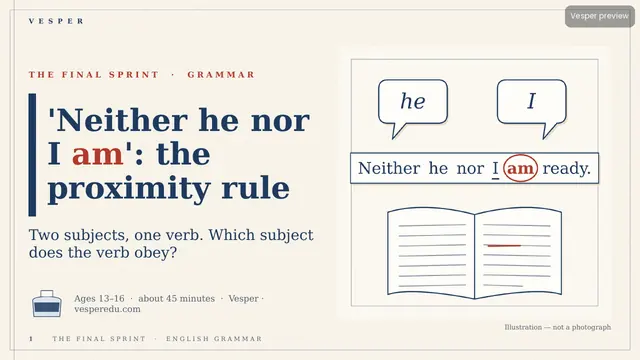
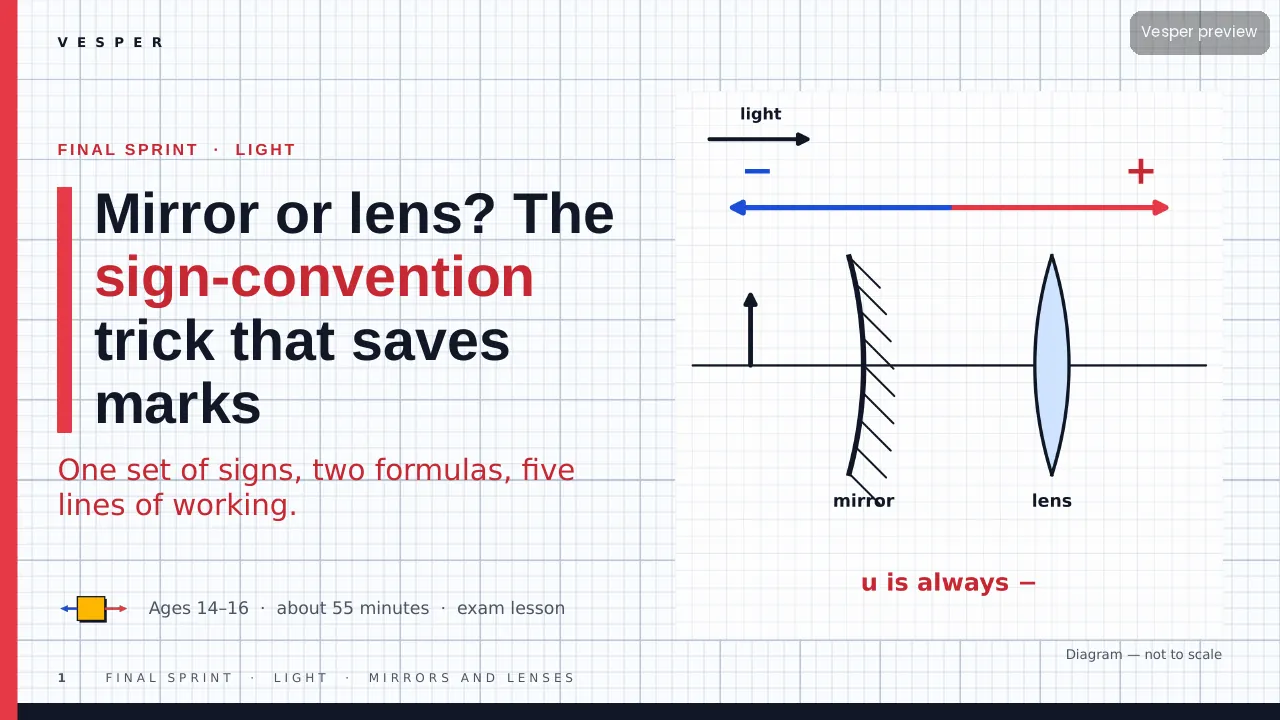
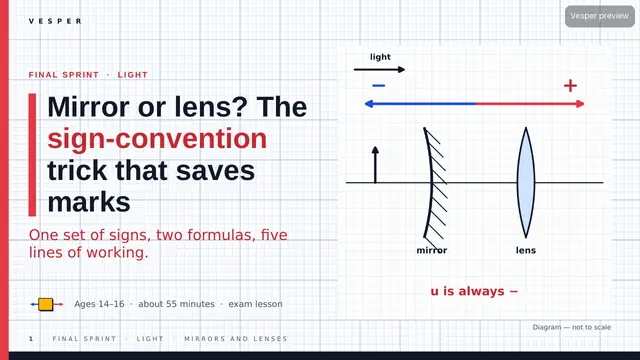
  • Students can apply worked methods, such as the sign convention and the proximity rule, under timed conditions

About it

What students cover

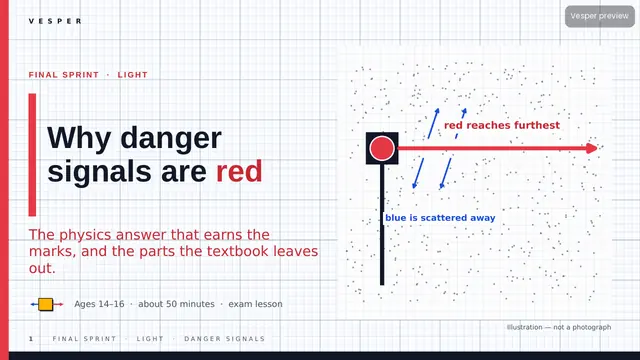
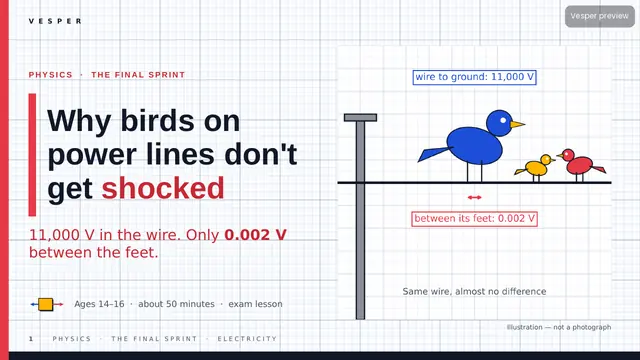
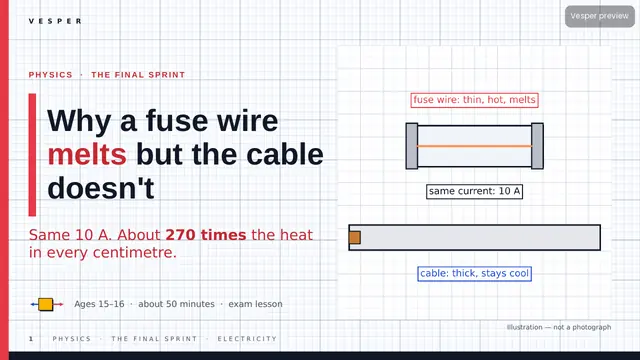
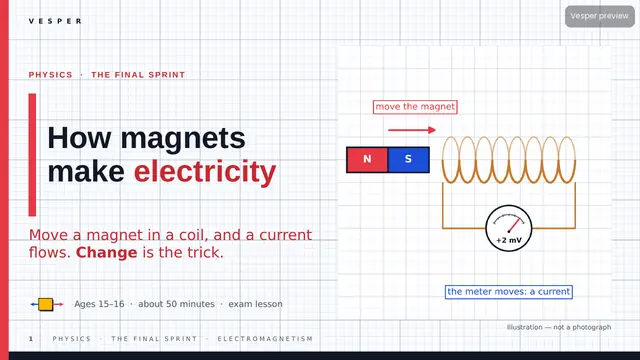
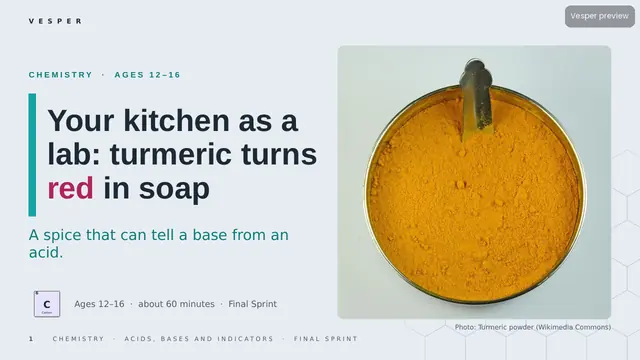
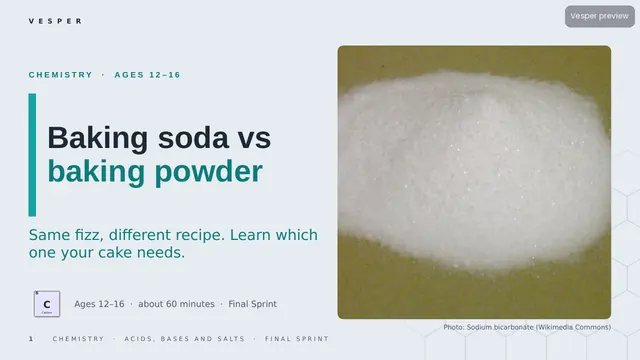
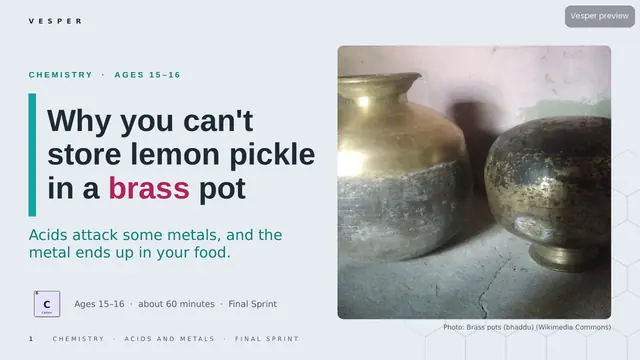
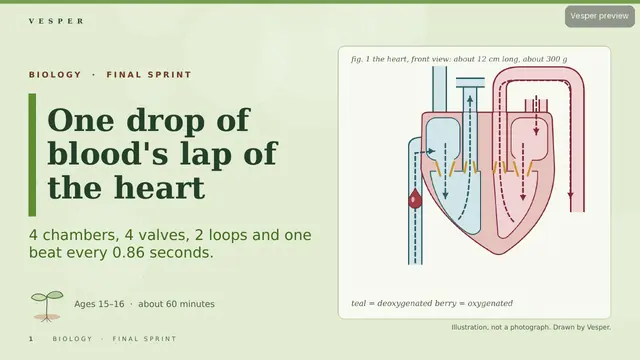
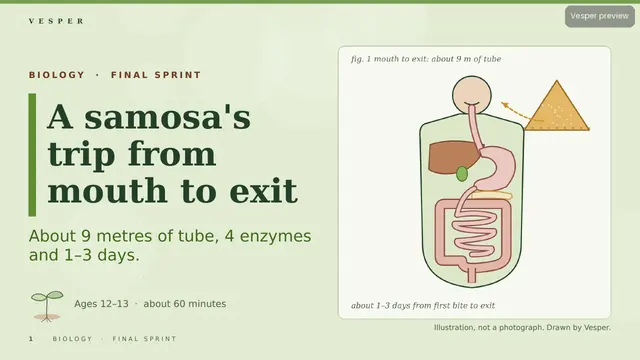
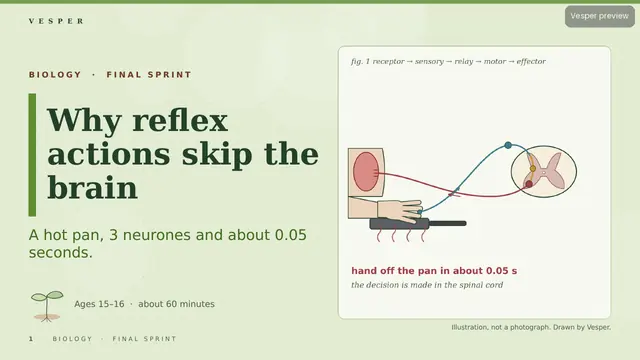
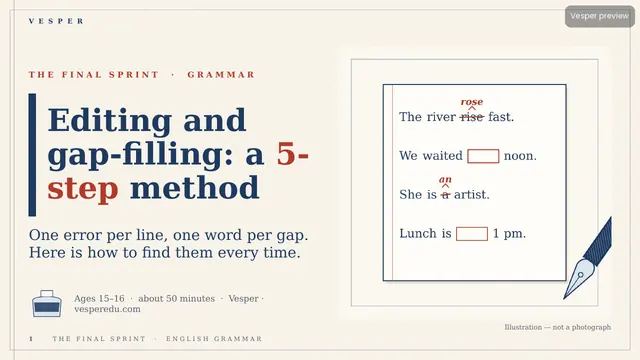
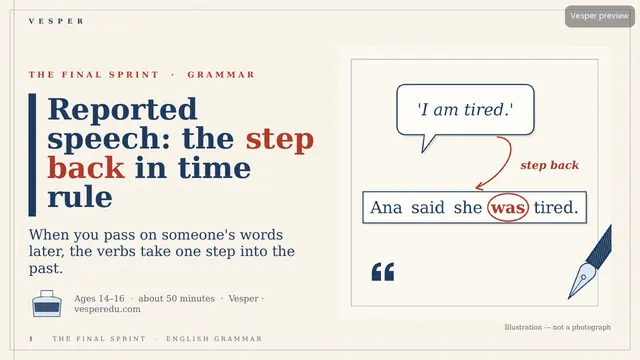
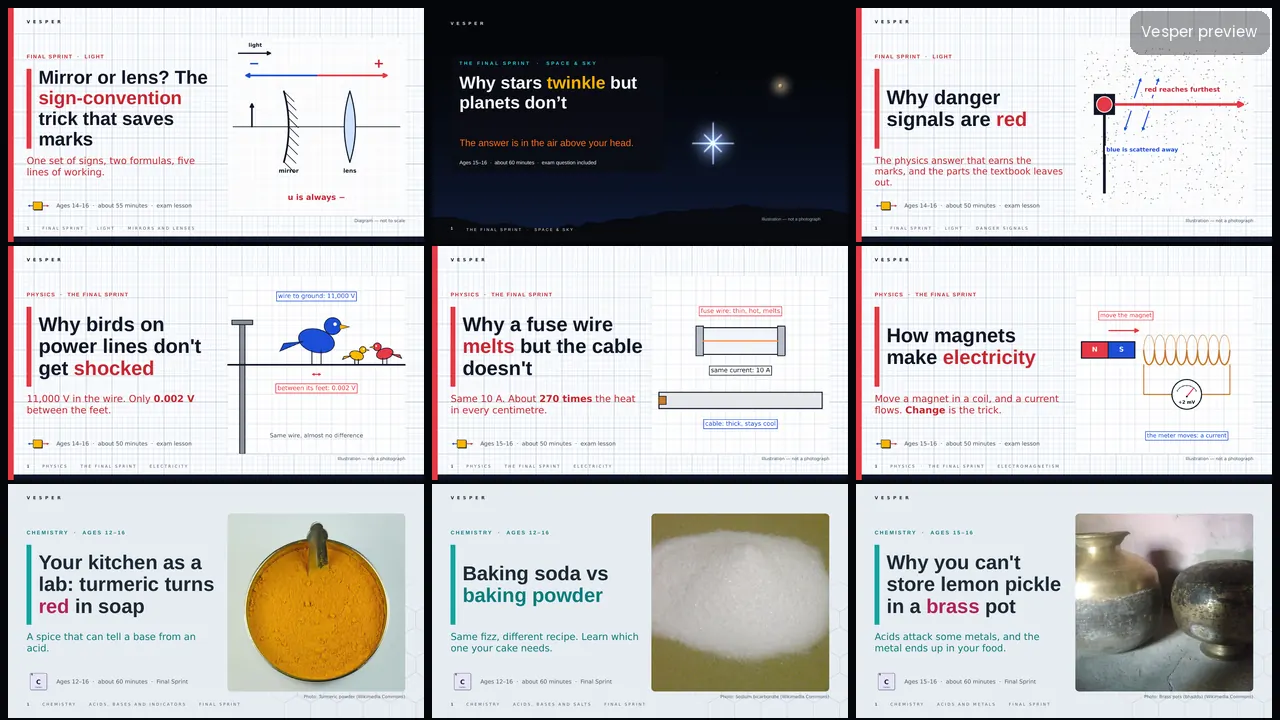
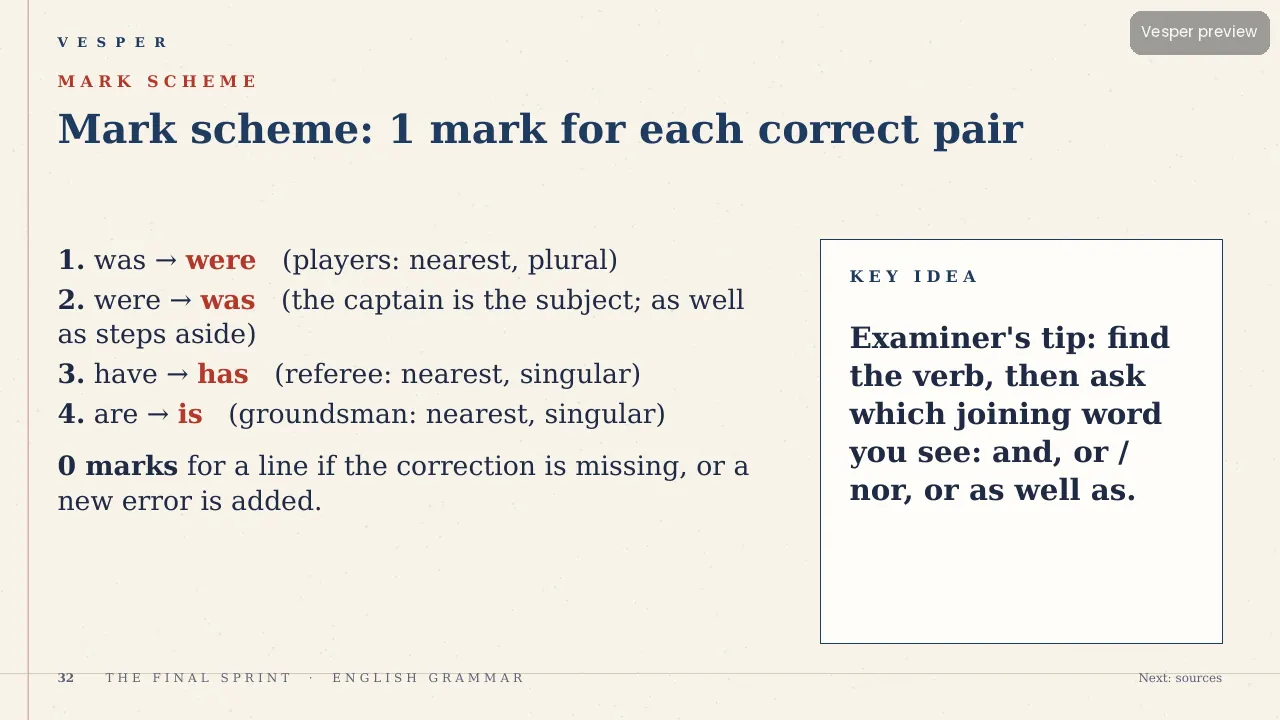
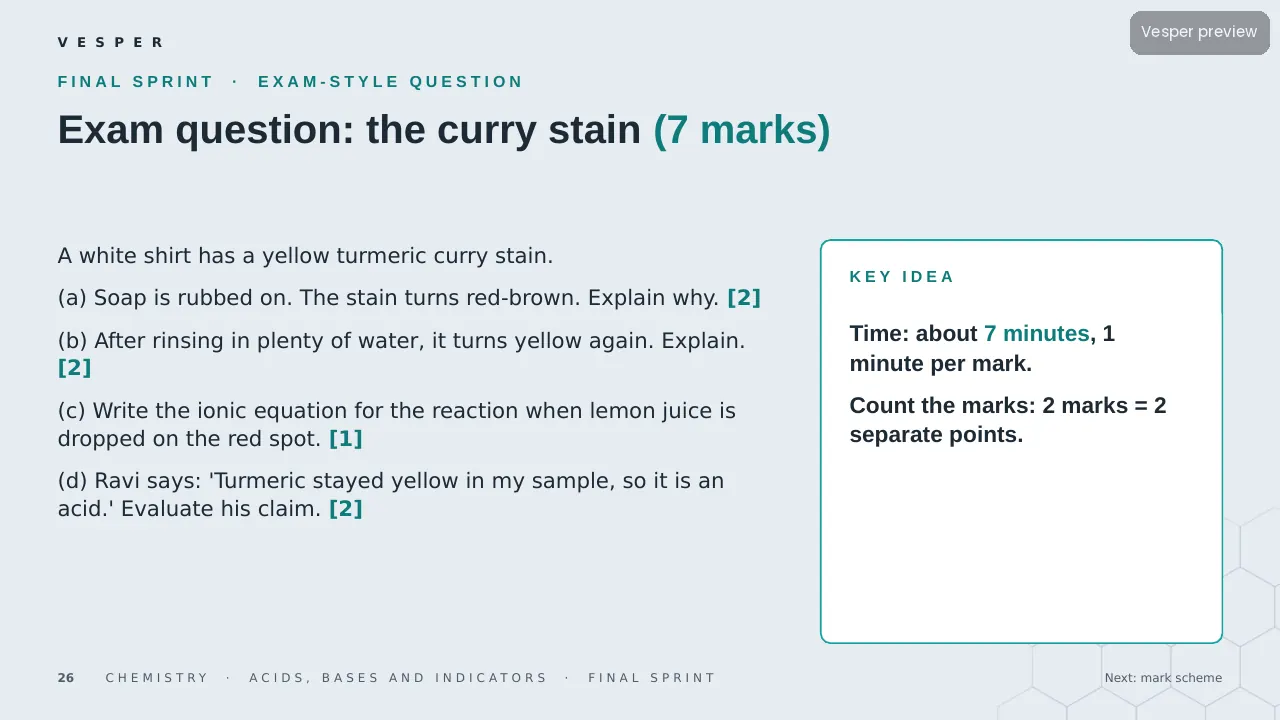
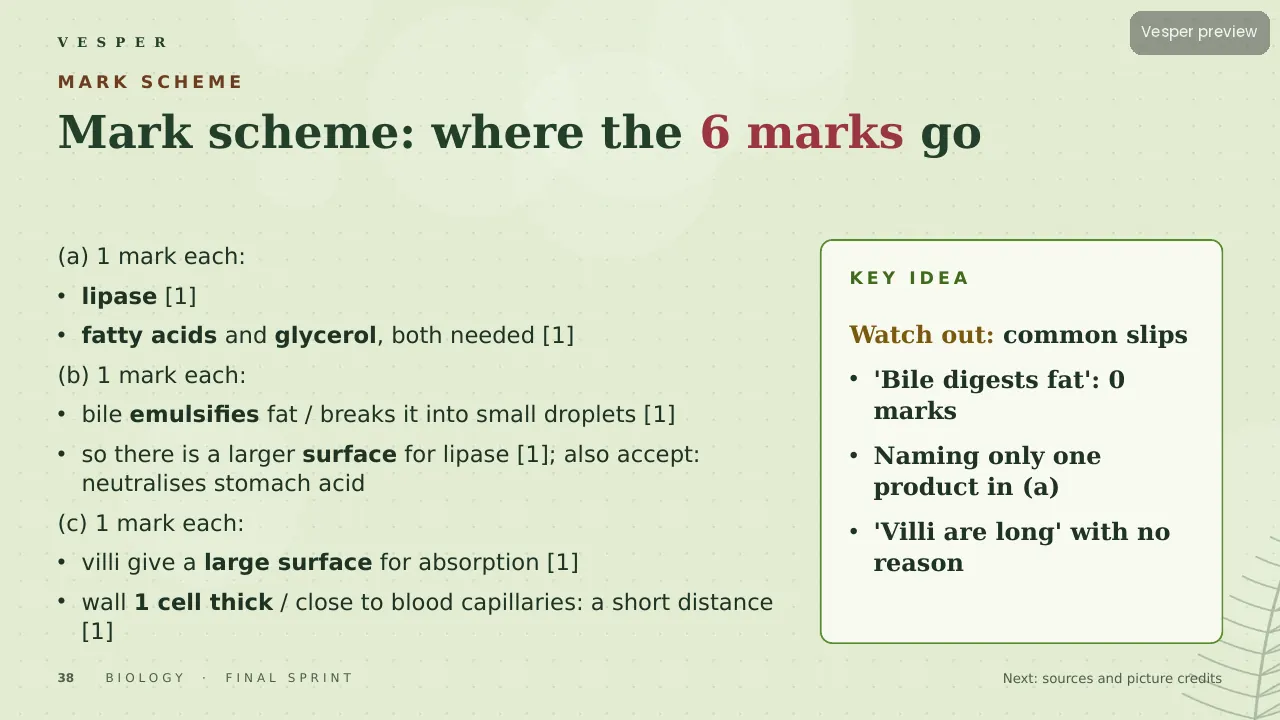
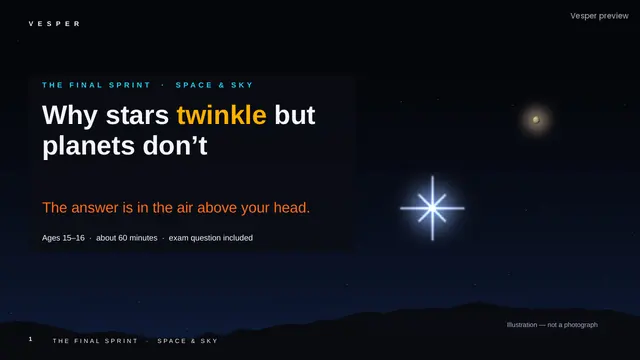
Physics: the mirror and lens sign convention, why stars twinkle, why danger signals are red, why birds on power lines don’t get shocked, why a fuse wire melts, and how magnets make electricity. Chemistry: turmeric as a kitchen indicator, baking soda versus baking powder, and why lemon pickle can’t go in a brass pot. Biology: a drop of blood’s lap of the heart, a samosa’s trip through the gut, and why reflex actions skip the brain. English: the proximity rule, editing and gap-filling, and reported speech.

Inside the collection

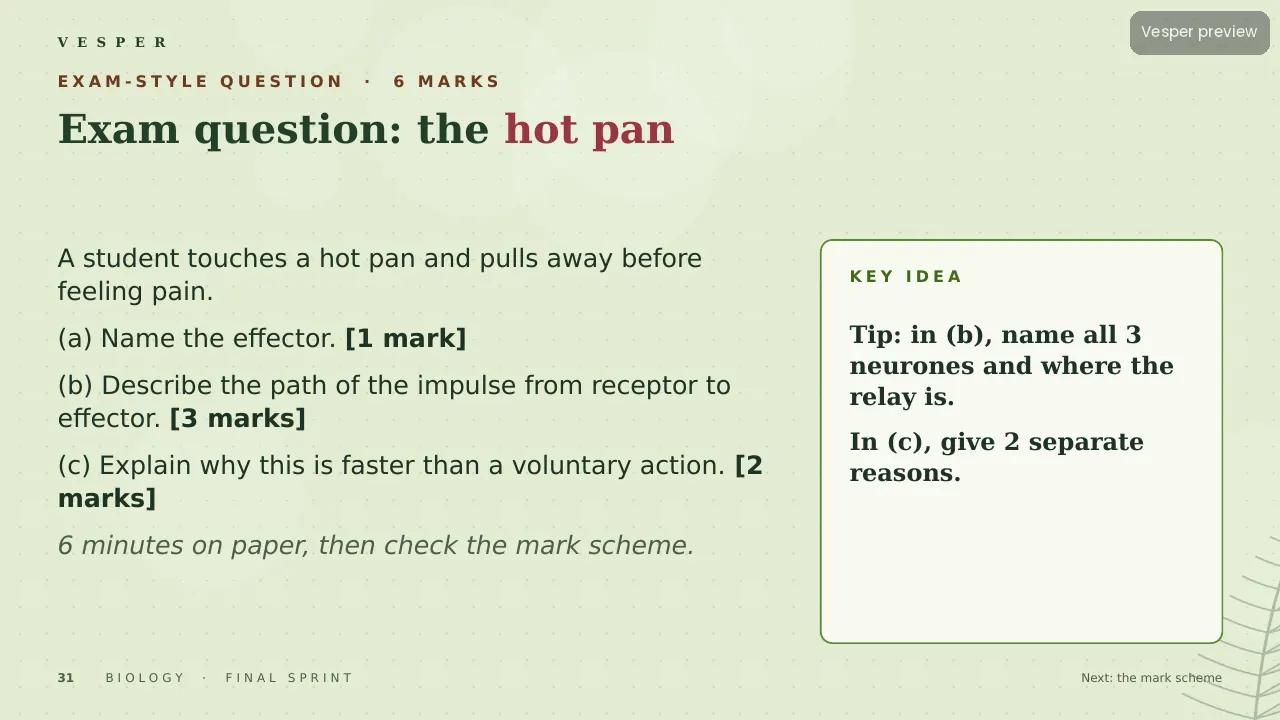
Fifteen Teacher Decks on the Vector, Nova, Flask, Field Notes and Inkwell templates, each with speaker notes on every slide (Say, Ask, Watch for, Time), worked examples, your-turn questions with answers, two checkpoints and a quiz with explained answers. Every lesson finishes with an exam-style question and a mark scheme written in the style of a board paper. The mark schemes are Vesper’s own, not official ones.

How to teach it

Use the lessons in the run-up to exams, one or two a week, or pick the topics your class finds hardest. Set the exam question under timed conditions, then go through the mark scheme slide together so students see where each mark comes from.

Who it’s for

Students aged 12–16 preparing for school exams, and their teachers. Each lesson also sells on its own; the collection brings all 15 together.

Why these 15

They are the topics where students most often lose marks to one small slip: a minus sign in a lens formula, the wrong verb after neither … nor, a tense that fails to step back, bile called an enzyme. Each lesson names the slip, shows it marked wrong in a worked example and then asks students to avoid it themselves.
Curriculum & specs

CBSE/NCERT (India)See each lesson's own curriculum tab
CambridgeSee each lesson
NGSS (US)See each lesson
IB MYPSee each lesson
Ages12–16
LevelSenior
Slide templateMixed
Teaching timeAbout 820 minutes
LanguageEnglish (UK)

Questions

Questions, answered

What is in The Final Sprint?

Fifteen exam lessons: six physics, three chemistry, three biology and three English grammar topics, each ending with an exam-style question and mark scheme.

Are the mark schemes official?

No. They are written by Vesper in the style of a board paper, to show students where marks are won and lost.

What ages is the Final Sprint for?

Ages 12–16. Most lessons are for ages 14–16; the samosa digestion lesson is for ages 12–13.

Can I buy the lessons separately?

Yes. Each lesson is also available on its own page.

Are the lessons editable?

Yes. Each is an editable PowerPoint built on a named-layout template, so you can add your own slides.

Main sources

  1. Each lesson lists its own sources on its sources slide

The full source list is on the last slides of the deck. Spotted an error? Tell us.